Non-Partisan

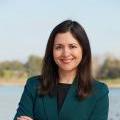
Marisa Alcaraz

Endorsements: Marisa Alcaraz has the endorsement of some local groups, including UFCW 770 and ILWU Local 94. She has also received the endorsement of current Councilmembers Curren Price and Heather Hutt, and Assm. Wendy Carrillo.


Electoral History: Alcaraz has not run for public office before, and is the only candidate in this race who has experience working for city government.


Top Issues: Homelessness and affordable housing, police reform, renewable energy and climate protections, economic improvements, government transparency


Governance and Community Leadership Experience: Alcaraz is a longtime City Council staffer, and has most recently served as the Environmental Policy Director and Deputy Chief of Staff to Councilmember Curren Price for ten years. During her time at City Hall, she has provided leadership on several labor and economic initiatives, including the citywide hotel worker minimum wage, Hero Pay for pandemic grocery workers, the Fair Work Week ordinance, and the pilot of LA’s Guaranteed Basic Income program. Her environmental work has included improving local healthy food access, and securing funding for parks improvements. She supports ordinance 41.18, an anti-camping law that prohibits unhoused people from sitting or sleeping on public property, and is in favor of hiring more officers to the LAPD.


Other background: Alcaraz grew up in the Lake Balboa neighborhood and is a lifelong resident of the San Fernando Valley.  


Candidate fundraising and pledges: Alcaraz’s campaign has raised $161,000 and has received donations from police and real estate interests.

Endorsements: Marisa Alcaraz has the endorsement of some local groups, including UFCW 770 and ILWU Local 94. She has also received the endorsement of current Councilmembers Curren Price and Heather Hutt, and Assm. Wendy Carrillo.


Electoral History: Alcaraz has not run for public office before, and is the only candidate in this race who has experience working for city government.


Top Issues: Homelessness and affordable housing, police reform, renewable energy and climate protections, economic improvements, government transparency


Governance and Community Leadership Experience: Alcaraz is a longtime City Council staffer, and has most recently served as the Environmental Policy Director and Deputy Chief of Staff to Councilmember Curren Price for ten years. During her time at City Hall, she has provided leadership on several labor and economic initiatives, including the citywide hotel worker minimum wage, Hero Pay for pandemic grocery workers, the Fair Work Week ordinance, and the pilot of LA’s Guaranteed Basic Income program. Her environmental work has included improving local healthy food access, and securing funding for parks improvements. She supports ordinance 41.18, an anti-camping law that prohibits unhoused people from sitting or sleeping on public property, and is in favor of hiring more officers to the LAPD.


Other background: Alcaraz grew up in the Lake Balboa neighborhood and is a lifelong resident of the San Fernando Valley.  


Candidate fundraising and pledges: Alcaraz’s campaign has raised $161,000 and has received donations from police and real estate interests.

City of Los Angeles

Not in City of Los Angeles? Find your guide.

City of Los Angeles

Courage California endorses Marissa Roy for City Attorney to put Los Angeles on the right track for progress. 


Progressive endorsements: Marissa Roy has the endorsement of many groups, including Courage California, California Working Families Party, Ground Game LA, LA Forward, California Women’s List, Asian Democrats of LA County, Stonewall Democratic Club, ACCE Action, Initiate Justice Action, LA League of Conservation Voters, National Union of Healthcare Workers, Los Angeles County Federation of Labor, United Teachers Los Angeles, and several other labor unions and Democratic clubs. She is also supported by many elected officials, such as Attorney General Rob Bonta, Asm. Tina McKinnor, LA County Supervisor HIlda Solis, Sen. Caroline Menjivar, Asm. Sade Elhawary, Sen. Lola Smallwood-Cuevas, LA City Councilmember Eunisses Hernandez, and San Francisco City Attorney David Chiu.

Top issues: Protecting workers’ rights, tenants’ rights, our environment, and consumers; fighting Trump; addressing housing and the homeless; building community safety; and saving taxpayer dollars.

Governance and community leadership experience: Roy is a deputy attorney general for the California Department of Justice. She previously worked in the San Francisco City Attorney’s Office — inspired by the office’s lawsuit to overturn Proposition 8, which would have banned marriage equality — and as outside counsel for the County of Los Angeles. Throughout her public-interest law career, she has worked to protect working families, renters, and immigrants, including recovering stolen wages for workers, protecting sanctuary cities, defending DACA recipients, fighting the inhumane treatment of immigrants seeking asylum, representing tenants who were wrongfully evicted, and suing Big Tech companies that threaten public health and safety. Roy was president of California Women’s List from 2021–2024, supporting progressive women, especially women of color, running for office.

Other background: Roy is a lifelong Angeleno. 

The Race

Primary election: There are four candidates running in the June 2 primary, including Marissa Roy, incumbent City Attorney Hydee Feldstein Soto, Aida Ashouri, and John McKinney. The top two vote recipients will advance to the general election on November 3. This is a nonpartisan race. 

Incumbent City Attorney Hydee Feldstein Soto has faced many controversies since she was first elected in 2022. She is the subject of a lawsuit filed by her former criminal branch chief, Michelle McGinnis, who accuses Soto of firing her for reporting legal and ethical violations. McGinnis, a 30-year veteran of the office, claims that Soto directed staff to drop cases against donors and wanted the office to stop prosecuting corporate defendants. She also alleges that Soto drank alcohol in the office. Two employees have also filed legal claims against Soto, accusing her of racial discrimination and retaliation. Soto has been criticized for suing a journalist and a group of local activists who published photographs of Los Angeles police officers that the city itself, had provided, violating state ethics concerning a witness in a police case, and spending millions of dollars on outside law firms.

The District

City: Los Angeles is Los Angeles County’s most populous city, with 3.9 million residents.

District demographics: As of 2024, Los Angeles had a demographic breakdown of 47% Latino, 12% Asian, and 8% Black. 

Recent election results: Los Angeles County, which includes the city of Los Angeles, voted for Kamala Harris for president in 2024 by 33 points and for Gavin Newsom for governor in 2022 by 36 points.

The Position

The Los Angeles city attorney is the city’s general counsel and serves as the legal advisor to the mayor, city council, and the board, departments, and other entities that make up the city. They prepare and sign off on all city contracts, interpret federal, state, county, and municipal laws for the city, draft city ordinances, and are responsible for the implementation and enforcement of all laws in the city. The city attorney defends the city in civil litigation, and oversees the prosecution of misdemeanors and the administration of criminal justice, including alternatives to incarceration. They manage a team of nearly 1,000 legal professionals and five branches: municipal, civil litigation, criminal, real estate, and public rights. 

The Los Angeles city attorney is elected to serve four-year terms and is limited to serving two terms. 

Courage California endorses Marissa Roy for City Attorney to put Los Angeles on the right track for progress. 


Progressive endorsements: Marissa Roy has the endorsement of many groups, including Courage California, California Working Families Party, Ground Game LA, LA Forward, California Women’s List, Asian Democrats of LA County, Stonewall Democratic Club, ACCE Action, Initiate Justice Action, LA League of Conservation Voters, National Union of Healthcare Workers, Los Angeles County Federation of Labor, United Teachers Los Angeles, and several other labor unions and Democratic clubs. She is also supported by many elected officials, such as Attorney General Rob Bonta, Asm. Tina McKinnor, LA County Supervisor HIlda Solis, Sen. Caroline Menjivar, Asm. Sade Elhawary, Sen. Lola Smallwood-Cuevas, LA City Councilmember Eunisses Hernandez, and San Francisco City Attorney David Chiu.

Top issues: Protecting workers’ rights, tenants’ rights, our environment, and consumers; fighting Trump; addressing housing and the homeless; building community safety; and saving taxpayer dollars.

Governance and community leadership experience: Roy is a deputy attorney general for the California Department of Justice. She previously worked in the San Francisco City Attorney’s Office — inspired by the office’s lawsuit to overturn Proposition 8, which would have banned marriage equality — and as outside counsel for the County of Los Angeles. Throughout her public-interest law career, she has worked to protect working families, renters, and immigrants, including recovering stolen wages for workers, protecting sanctuary cities, defending DACA recipients, fighting the inhumane treatment of immigrants seeking asylum, representing tenants who were wrongfully evicted, and suing Big Tech companies that threaten public health and safety. Roy was president of California Women’s List from 2021–2024, supporting progressive women, especially women of color, running for office.

Other background: Roy is a lifelong Angeleno. 

The Race

Primary election: There are four candidates running in the June 2 primary, including Marissa Roy, incumbent City Attorney Hydee Feldstein Soto, Aida Ashouri, and John McKinney. The top two vote recipients will advance to the general election on November 3. This is a nonpartisan race. 

Incumbent City Attorney Hydee Feldstein Soto has faced many controversies since she was first elected in 2022. She is the subject of a lawsuit filed by her former criminal branch chief, Michelle McGinnis, who accuses Soto of firing her for reporting legal and ethical violations. McGinnis, a 30-year veteran of the office, claims that Soto directed staff to drop cases against donors and wanted the office to stop prosecuting corporate defendants. She also alleges that Soto drank alcohol in the office. Two employees have also filed legal claims against Soto, accusing her of racial discrimination and retaliation. Soto has been criticized for suing a journalist and a group of local activists who published photographs of Los Angeles police officers that the city itself, had provided, violating state ethics concerning a witness in a police case, and spending millions of dollars on outside law firms.

The District

City: Los Angeles is Los Angeles County’s most populous city, with 3.9 million residents.

District demographics: As of 2024, Los Angeles had a demographic breakdown of 47% Latino, 12% Asian, and 8% Black. 

Recent election results: Los Angeles County, which includes the city of Los Angeles, voted for Kamala Harris for president in 2024 by 33 points and for Gavin Newsom for governor in 2022 by 36 points.

The Position

The Los Angeles city attorney is the city’s general counsel and serves as the legal advisor to the mayor, city council, and the board, departments, and other entities that make up the city. They prepare and sign off on all city contracts, interpret federal, state, county, and municipal laws for the city, draft city ordinances, and are responsible for the implementation and enforcement of all laws in the city. The city attorney defends the city in civil litigation, and oversees the prosecution of misdemeanors and the administration of criminal justice, including alternatives to incarceration. They manage a team of nearly 1,000 legal professionals and five branches: municipal, civil litigation, criminal, real estate, and public rights. 

The Los Angeles city attorney is elected to serve four-year terms and is limited to serving two terms. 

State Senate

Depending on where you live, you may have one of the below State Senate races on your ballot.

State Senator, 20th District

Re-elect State Senator Caroline Menjivar to keep SD-20 on the right track for progress. 


Progressive endorsements: Sen. Menjivar has the endorsement of many groups, including California Working Families Party, California Environmental Voters, Stonewall Democratic Club, and National Women’s Political Caucus. 

Priority bills: This session, Sen. Menjivar’s priorities for SD-20 included 37 bills about health care, youth social services, and environmental protections. Of these, eight were successfully chaptered into law, four died, and most others remain in committee. She sponsored and passed legislation to improve on-call protections for nurses, establish a new statewide essential health benefits benchmark plan for 2027, and require food facilities to disclose major allergens in their menus. She scores a 95 out of 100 on Courage Score, our annual analysis of legislators’ progressive voting records. Based on our Courage Score analysis, Sen. Menjivar supported nearly all progressive bills that made it to a vote. 

Committee leadership/membership: Sen. Menjivar currently sits on seven standing committees, including Budget & Fiscal Review; Business, Professionals, and Economic Development; Environmental Quality; Health; Insurance; Military and Veterans Affairs; and Transportation. She serves as chair of the Democratic Caucus, and vice chair of the California Legislative Women’s Caucus.  

Governance experience: Sen. Menjivar has served in this state Senate seat since 2022, when she was elected with over 58% of the vote. 

The Race

Primary election: Sen. Caroline Menjivar is running against a Democratic and a Republican candidate in the June 2 primary. The top two vote recipients will advance to the general election on November 3.

Candidate fundraising and pledges: Sen. Menjivar’s campaign has raised $1.3 million as of March 2026 and is not funded by fossil fuel or real estate interests. Her problematic donors include Amazon, Meta, and California Association of Highway Patrolmen PAC.

The Position

State senators represent and advocate for the needs of their district constituents at the California State Capitol. They are responsible for creating, debating, and voting on legislation that addresses issues within their district and statewide.

The California State Senate has 40 districts. Each represents a population of about 988,000 Californians. Representatives are elected to the Senate for a four-year term. Every two years, half of the Senate’s 40 seats are subject to election. Members are allowed to serve 12 years total across both the state Senate or the Assembly. This term, Democrats currently hold a three-quarters supermajority of 30 seats in the California State Senate, while Republicans hold ten seats.

Re-elect State Senator Caroline Menjivar to keep SD-20 on the right track for progress. 


Progressive endorsements: Sen. Menjivar has the endorsement of many groups, including California Working Families Party, California Environmental Voters, Stonewall Democratic Club, and National Women’s Political Caucus. 

Priority bills: This session, Sen. Menjivar’s priorities for SD-20 included 37 bills about health care, youth social services, and environmental protections. Of these, eight were successfully chaptered into law, four died, and most others remain in committee. She sponsored and passed legislation to improve on-call protections for nurses, establish a new statewide essential health benefits benchmark plan for 2027, and require food facilities to disclose major allergens in their menus. She scores a 95 out of 100 on Courage Score, our annual analysis of legislators’ progressive voting records. Based on our Courage Score analysis, Sen. Menjivar supported nearly all progressive bills that made it to a vote. 

Committee leadership/membership: Sen. Menjivar currently sits on seven standing committees, including Budget & Fiscal Review; Business, Professionals, and Economic Development; Environmental Quality; Health; Insurance; Military and Veterans Affairs; and Transportation. She serves as chair of the Democratic Caucus, and vice chair of the California Legislative Women’s Caucus.  

Governance experience: Sen. Menjivar has served in this state Senate seat since 2022, when she was elected with over 58% of the vote. 

The Race

Primary election: Sen. Caroline Menjivar is running against a Democratic and a Republican candidate in the June 2 primary. The top two vote recipients will advance to the general election on November 3.

Candidate fundraising and pledges: Sen. Menjivar’s campaign has raised $1.3 million as of March 2026 and is not funded by fossil fuel or real estate interests. Her problematic donors include Amazon, Meta, and California Association of Highway Patrolmen PAC.

The Position

State senators represent and advocate for the needs of their district constituents at the California State Capitol. They are responsible for creating, debating, and voting on legislation that addresses issues within their district and statewide.

The California State Senate has 40 districts. Each represents a population of about 988,000 Californians. Representatives are elected to the Senate for a four-year term. Every two years, half of the Senate’s 40 seats are subject to election. Members are allowed to serve 12 years total across both the state Senate or the Assembly. This term, Democrats currently hold a three-quarters supermajority of 30 seats in the California State Senate, while Republicans hold ten seats.

State Senator, 24th District

Elect John Erickson to put SD-24 on the right track for progress. 


Progressive endorsements: Erickson has the endorsement of many groups, including Equality California, Alliance of Californians for Community Empowerment Action, National Organization for Women - Hollywood, HONOR PAC, and Stonewall Young Democrats, as well as labor unions like SEIU California, CA Federation of Teachers and CA Teachers Association, National Union of Healthcare Workers, Unite Here Local 11, and LiUNA! California State Council of Laborers. 

Top issues: Protecting democracy, cost of living, fire protections, public safety, and housing.

Governance and community leadership experience: John Erickson is a longtime public servant, a West Hollywood City Council member, and current chief of staff at Alliance for a Better Community, a nonprofit dedicated to advancing equity for the Latino community. On the city council, he helped build additional affordable housing and create a homelessness program called WeHo Cares. He has been a longtime supporter of gender equality, previously working as the vice president of Public Affairs at Planned Parenthood California, serving on the California Commission on the Status of Women and Girls, and helping to organize the Los Angeles Women’s March. 

Other background: Erickson is from Wisconsin. He earned his BA from the University of Wisconsin-Oshkosh and a PhD from Claremont Graduate University. 

The Race

Primary election: There are ten candidates running in the June 2 primary, including John Erickson (D), Kristina Irwin (R), Brian Goldsmith (D), Sion Roy (D), and Mike Newhouse (D). The top two vote recipients will advance to the general election on November 3.

Candidate fundraising and pledges: Erickson’s campaign has raised $391,607 and is not funded by the fossil fuel industry, the real estate industry, corporate PACs, or the police.

Opposing candidate: Brian Goldsmith
Opposing candidate’s fundraising and pledges: Goldsmith’s campaign has raised $2,104,124 and is funded by the real estate industry and the police. He also has problematic endorsements from several law-enforcement groups.

Opposing candidate: Sion Roy
Opposing candidate’s fundraising and pledges: Roy’s campaign has raised $423,993 and is funded by corporate PACs.

Opposing candidate: Mike Newhouse
Opposing candidate’s fundraising and pledges: Newhouse’s campaign has raised $454,661 and is funded by corporate PACs, the real estate industry, and the police.

Opposing candidate: Kristina Irwin
Opposing candidate’s fundraising and pledges: Irwin’s campaign has raised $45,078.

The District

Counties in district: California’s 24th State Senate District includes parts of Los Angeles County.

Voter registration: 49% Democrat, 21% Republican, and 23% No Party Preference. Democrats typically hold this district.

District demographics: 13% Latino, 16% Asian, and 5% Black. 

Recent election results: SD-24 voted for Joe Biden for president in 2020 by 42 points and Gavin Newsom for governor in 2022 by 32 points.

The Position

State senators represent and advocate for the needs of their district constituents at the California State Capitol. They are responsible for creating, debating, and voting on legislation that addresses issues within their district and statewide.

The California State Senate has 40 districts. Each represents a population of about 988,000 Californians. Representatives are elected to the Senate for a four-year term. Every two years, half of the Senate’s 40 seats are subject to election. Members are allowed to serve 12 years total across both the state Senate or the Assembly. Democrats currently hold a three-quarters supermajority of 30 seats in the California State Senate, while Republicans hold ten seats.

Elect John Erickson to put SD-24 on the right track for progress. 


Progressive endorsements: Erickson has the endorsement of many groups, including Equality California, Alliance of Californians for Community Empowerment Action, National Organization for Women - Hollywood, HONOR PAC, and Stonewall Young Democrats, as well as labor unions like SEIU California, CA Federation of Teachers and CA Teachers Association, National Union of Healthcare Workers, Unite Here Local 11, and LiUNA! California State Council of Laborers. 

Top issues: Protecting democracy, cost of living, fire protections, public safety, and housing.

Governance and community leadership experience: John Erickson is a longtime public servant, a West Hollywood City Council member, and current chief of staff at Alliance for a Better Community, a nonprofit dedicated to advancing equity for the Latino community. On the city council, he helped build additional affordable housing and create a homelessness program called WeHo Cares. He has been a longtime supporter of gender equality, previously working as the vice president of Public Affairs at Planned Parenthood California, serving on the California Commission on the Status of Women and Girls, and helping to organize the Los Angeles Women’s March. 

Other background: Erickson is from Wisconsin. He earned his BA from the University of Wisconsin-Oshkosh and a PhD from Claremont Graduate University. 

The Race

Primary election: There are ten candidates running in the June 2 primary, including John Erickson (D), Kristina Irwin (R), Brian Goldsmith (D), Sion Roy (D), and Mike Newhouse (D). The top two vote recipients will advance to the general election on November 3.

Candidate fundraising and pledges: Erickson’s campaign has raised $391,607 and is not funded by the fossil fuel industry, the real estate industry, corporate PACs, or the police.

Opposing candidate: Brian Goldsmith
Opposing candidate’s fundraising and pledges: Goldsmith’s campaign has raised $2,104,124 and is funded by the real estate industry and the police. He also has problematic endorsements from several law-enforcement groups.

Opposing candidate: Sion Roy
Opposing candidate’s fundraising and pledges: Roy’s campaign has raised $423,993 and is funded by corporate PACs.

Opposing candidate: Mike Newhouse
Opposing candidate’s fundraising and pledges: Newhouse’s campaign has raised $454,661 and is funded by corporate PACs, the real estate industry, and the police.

Opposing candidate: Kristina Irwin
Opposing candidate’s fundraising and pledges: Irwin’s campaign has raised $45,078.

The District

Counties in district: California’s 24th State Senate District includes parts of Los Angeles County.

Voter registration: 49% Democrat, 21% Republican, and 23% No Party Preference. Democrats typically hold this district.

District demographics: 13% Latino, 16% Asian, and 5% Black. 

Recent election results: SD-24 voted for Joe Biden for president in 2020 by 42 points and Gavin Newsom for governor in 2022 by 32 points.

The Position

State senators represent and advocate for the needs of their district constituents at the California State Capitol. They are responsible for creating, debating, and voting on legislation that addresses issues within their district and statewide.

The California State Senate has 40 districts. Each represents a population of about 988,000 Californians. Representatives are elected to the Senate for a four-year term. Every two years, half of the Senate’s 40 seats are subject to election. Members are allowed to serve 12 years total across both the state Senate or the Assembly. Democrats currently hold a three-quarters supermajority of 30 seats in the California State Senate, while Republicans hold ten seats.

State Senator, 28th District

Re-elect State Senator Lola Smallwood-Cuevas to keep SD-28 on the right track for progress. 


Progressive endorsements: Sen. Smallwood-Cuevas has the endorsement of some groups, including California Working Families Party, Planned Parenthood Advocacy Project Los Angeles County Action Fund, and SEIU California. 

Priority bills: This session, Sen. Smallwood-Cuevas’s priorities for SD-28 included 35 bills about workforce development, social services, and public health. Of these, six were successfully chaptered into law, six died, and most others remain in committee. She sponsored and passed legislation to expand the collection of payroll data, improve employment bias training, and investigate employees’ gratuities theft by employers. She scores a 95 out of 100 on Courage Score, our annual analysis of legislators’ progressive voting records. Based on our Courage Score analysis, Sen. Smallwood-Cuevas supported most progressive bills that made it to a vote. 

Committee leadership/membership: Sen. Smallwood-Cuevas currently sits on five standing committees, including Budget & Fiscal Review; Business, Professionals, and Economic Development; Governmental Organization; and Health. She also serves as chair of the standing committee on Labor, Public Employment, and Retirement. 

Governance experience: Sen. Smallwood-Cuevas has served in this state Senate seat since 2022, when she was elected with over 59% of the vote. 

The Race

Primary election: Sen. Lola Smallwood-Cuevas is running against a Republican and a No Party Preference candidate in the June 2 primary. The top two vote recipients will advance to the general election on November 3.

Candidate fundraising and pledges: Sen. Smallwood-Cuevas’s campaign has raised $957,000 as of March 2024 and is not funded by police interests. She has received problematic donations from Sempra Energy, California Real Estate PAC, and AT&T Services Inc.

The Position

State senators represent and advocate for the needs of their district constituents at the California State Capitol. They are responsible for creating, debating, and voting on legislation that addresses issues within their district and statewide.

The California State Senate has 40 districts. Each represents a population of about 988,000 Californians. Representatives are elected to the Senate for a four-year term. Every two years, half of the Senate’s 40 seats are subject to election. Members are allowed to serve 12 years total across both the state Senate or the Assembly. This term, Democrats currently hold a three-quarters supermajority of 30 seats in the California State Senate, while Republicans hold ten seats.

Re-elect State Senator Lola Smallwood-Cuevas to keep SD-28 on the right track for progress. 


Progressive endorsements: Sen. Smallwood-Cuevas has the endorsement of some groups, including California Working Families Party, Planned Parenthood Advocacy Project Los Angeles County Action Fund, and SEIU California. 

Priority bills: This session, Sen. Smallwood-Cuevas’s priorities for SD-28 included 35 bills about workforce development, social services, and public health. Of these, six were successfully chaptered into law, six died, and most others remain in committee. She sponsored and passed legislation to expand the collection of payroll data, improve employment bias training, and investigate employees’ gratuities theft by employers. She scores a 95 out of 100 on Courage Score, our annual analysis of legislators’ progressive voting records. Based on our Courage Score analysis, Sen. Smallwood-Cuevas supported most progressive bills that made it to a vote. 

Committee leadership/membership: Sen. Smallwood-Cuevas currently sits on five standing committees, including Budget & Fiscal Review; Business, Professionals, and Economic Development; Governmental Organization; and Health. She also serves as chair of the standing committee on Labor, Public Employment, and Retirement. 

Governance experience: Sen. Smallwood-Cuevas has served in this state Senate seat since 2022, when she was elected with over 59% of the vote. 

The Race

Primary election: Sen. Lola Smallwood-Cuevas is running against a Republican and a No Party Preference candidate in the June 2 primary. The top two vote recipients will advance to the general election on November 3.

Candidate fundraising and pledges: Sen. Smallwood-Cuevas’s campaign has raised $957,000 as of March 2024 and is not funded by police interests. She has received problematic donations from Sempra Energy, California Real Estate PAC, and AT&T Services Inc.

The Position

State senators represent and advocate for the needs of their district constituents at the California State Capitol. They are responsible for creating, debating, and voting on legislation that addresses issues within their district and statewide.

The California State Senate has 40 districts. Each represents a population of about 988,000 Californians. Representatives are elected to the Senate for a four-year term. Every two years, half of the Senate’s 40 seats are subject to election. Members are allowed to serve 12 years total across both the state Senate or the Assembly. This term, Democrats currently hold a three-quarters supermajority of 30 seats in the California State Senate, while Republicans hold ten seats.

State Assembly

Depending on where you live, you may have one of the below State Assembly races on your ballot.

State Assembly, 40th District

Re-elect State Assemblymember Pilar Schiavo to keep AD-40 on the right track for progress. 


Progressive endorsements: Asm. Pilar Schiavo has the endorsement of many groups, including ACCE Action, CEJA Action, California Environmental Voters, Reproductive Freedom for All California, and many labor organizations. She has also received endorsements from problematic stakeholders, including California Correctional Peace Officers Association. 

Priority bills: This session, Asm. Schiavo’s priorities for AD-40 included 39 bills about housing, public utilities, and consumer protections. Of these, eight were successfully chaptered into law, five died, and most others remain in committee. She sponsored and passed legislation to improve discount care access for patients when they are admitted to the hospital, improve access to and maintenance of public AED devices, and improve protections in reporting for witnesses to crimes and victims of crimes. She scores an 83 out of 100 on Courage Score, our annual analysis of legislators’ progressive voting records. Based on our Courage Score analysis, Asm. Schiavo supported many progressive bills that made it to a vote. That said, she failed to cast a vote on bills to increase protections for survivors of human trafficking and sexual violence, allow individuals to request their records be sealed for low-level offenses committed before the age of 26, and permit colleges to give admission preference to descendents of slavery.

Member of the Legislative Progressive Caucus?: No.

Committee leadership/membership: Asm. Schiavo currently sits on six committees, including Banking and Finance, Budget, Health, Utilities and Energy, and the Joint Legislative Committee on Emergency Management. She is chair of the standing committee on Military and Veterans Affairs. 

Governance experience: Asm. Schiavo has served in this State Assembly seat since 2022, when she was elected in a closely contested election by less than a point. In 2024, she won her re-election against a Republican challenger by over five points.

The Race

Primary election: There are four candidates running in the June 2 primary: incumbent Asm. Pilar Schiavo (D), Rickey Hayes (R), Elizabeth Ahlers (R), and Andreas Farmakalidis (R). The top two vote recipients will advance to the general election on November 3.

Candidate fundraising and pledges: Asm. Pilar Schiavo’s campaign has raised $953,000 as of March 2026 and is not funded by fossil fuel or real estate interests.

Candidate fundraising and pledges: Rickey Hayes’s campaign has raised $1,000 as of March 2026, and is not funded by police, fossil fuel, real estate, or corporate PAC interests.

Candidate fundraising and pledges: Elizabeth Ahlers’s campaign has raised $107,000 as of March 2026 and is primarily self-funded.

Candidate fundraising and pledges: Andreas Farmakalidis’s campaign has not filed any campaign fundraising receipts with the secretary of state as of March 2026.

The Position

State assemblymembers represent and advocate for the needs of their district constituents at the California State Capitol. They are responsible for creating, debating, and voting on legislation that addresses issues within their district and statewide.

The California State Assembly has 80 districts. Each represents a population of at least 490,000 Californians. Representatives are elected to the Assembly for a two-year term. Every two years, all 80 seats are subject to election. Members are allowed to serve 12 years total across both the state Senate or the Assembly. Democrats currently hold a three-quarters supermajority of 60 seats in the California State Assembly, while Republicans hold 20 seats.

Re-elect State Assemblymember Pilar Schiavo to keep AD-40 on the right track for progress. 


Progressive endorsements: Asm. Pilar Schiavo has the endorsement of many groups, including ACCE Action, CEJA Action, California Environmental Voters, Reproductive Freedom for All California, and many labor organizations. She has also received endorsements from problematic stakeholders, including California Correctional Peace Officers Association. 

Priority bills: This session, Asm. Schiavo’s priorities for AD-40 included 39 bills about housing, public utilities, and consumer protections. Of these, eight were successfully chaptered into law, five died, and most others remain in committee. She sponsored and passed legislation to improve discount care access for patients when they are admitted to the hospital, improve access to and maintenance of public AED devices, and improve protections in reporting for witnesses to crimes and victims of crimes. She scores an 83 out of 100 on Courage Score, our annual analysis of legislators’ progressive voting records. Based on our Courage Score analysis, Asm. Schiavo supported many progressive bills that made it to a vote. That said, she failed to cast a vote on bills to increase protections for survivors of human trafficking and sexual violence, allow individuals to request their records be sealed for low-level offenses committed before the age of 26, and permit colleges to give admission preference to descendents of slavery.

Member of the Legislative Progressive Caucus?: No.

Committee leadership/membership: Asm. Schiavo currently sits on six committees, including Banking and Finance, Budget, Health, Utilities and Energy, and the Joint Legislative Committee on Emergency Management. She is chair of the standing committee on Military and Veterans Affairs. 

Governance experience: Asm. Schiavo has served in this State Assembly seat since 2022, when she was elected in a closely contested election by less than a point. In 2024, she won her re-election against a Republican challenger by over five points.

The Race

Primary election: There are four candidates running in the June 2 primary: incumbent Asm. Pilar Schiavo (D), Rickey Hayes (R), Elizabeth Ahlers (R), and Andreas Farmakalidis (R). The top two vote recipients will advance to the general election on November 3.

Candidate fundraising and pledges: Asm. Pilar Schiavo’s campaign has raised $953,000 as of March 2026 and is not funded by fossil fuel or real estate interests.

Candidate fundraising and pledges: Rickey Hayes’s campaign has raised $1,000 as of March 2026, and is not funded by police, fossil fuel, real estate, or corporate PAC interests.

Candidate fundraising and pledges: Elizabeth Ahlers’s campaign has raised $107,000 as of March 2026 and is primarily self-funded.

Candidate fundraising and pledges: Andreas Farmakalidis’s campaign has not filed any campaign fundraising receipts with the secretary of state as of March 2026.

The Position

State assemblymembers represent and advocate for the needs of their district constituents at the California State Capitol. They are responsible for creating, debating, and voting on legislation that addresses issues within their district and statewide.

The California State Assembly has 80 districts. Each represents a population of at least 490,000 Californians. Representatives are elected to the Assembly for a two-year term. Every two years, all 80 seats are subject to election. Members are allowed to serve 12 years total across both the state Senate or the Assembly. Democrats currently hold a three-quarters supermajority of 60 seats in the California State Assembly, while Republicans hold 20 seats.

State Assembly, 42nd District

Elect Deborah Klein Lopez to keep AD-42 on the right track for progress. 


Progressive endorsements: Deborah Klein Lopez has the endorsement of many progressive groups, including California Environmental Voters, National Union of Healthcare Workers, California Teachers Association, and many Democratic clubs and other labor unions. She is also supported by many state and local elected officials, such as U.S. Senator Adam Schiff, Rep. Luz Rivas, State Senator Henry Stern, and Ventura County Supervisor Vianey Lopez. 

Top issues: Disaster preparedness, response, and recovery, public safety, housing and homelessness, jobs and economic opportunity, environmental sustainability, education, health care, and open space and connectivity.

Governance and community leadership experience: Klein Lopez is an Agoura Hills City Council member and mayor pro tem. Since elected to city council in 2018, she worked on Woolsey Fire emergency management and recovery, passed the first Climate Action and Adaptation Plan in the region, led on Measure E to secure funding for the school district, and helped launch the Wallis Annenberg Wildlife Crossing. Klein Lopez serves as chair of the board of Clean Power Alliance and director of the Resource Conservation District of the Santa Monica Mountains, and previously served as a parent leader in the school district and managed a winter homeless shelter in Conejo Valley for nearly 20 years. 

Other background: Klein Lopez is from Agoura Hills. She volunteered with the National Park Service in the Santa Monica Mountains Recreation Area. 

The Race

Primary election: There are three candidates running in the June 2 primary: Deborah Klein Lopez (D), Rocky Rhodes (R), and Ted Nordblum (R). The top two vote recipients will advance to the general election on November 3.

Candidate fundraising and pledges: Klein Lopez’s campaign has raised $599,261 and is funded primarily by individuals and labor unions. 

Opposing candidate’s fundraising and pledges: Rhodes’s campaign has raised $85,860.

Opposing candidate’s fundraising and pledges: Nordblum’s campaign has raised $100,209.

The District

Counties in district: California’s 42nd State Assembly District includes parts of Los Angeles and Ventura Counties.

Voter registration: 40% Democrat, 32% Republican, and 21% No Party Preference. Democrats typically hold this district.

District demographics: 14% Latino, 9% Asian, and 2% Black.

Recent election results: AD-42 voted for Kamala Harris for president in 2024 by 14 points and Newsom for governor in 2022 by eight points.

The Position

State assemblymembers represent and advocate for the needs of their district constituents at the California State Capitol. They are responsible for creating, debating, and voting on legislation that addresses issues within their district and statewide.

The California State Assembly has 80 districts. Each represents a population of at least 490,000 Californians. Representatives are elected to the Assembly for a two-year term. Every two years, all 80 seats are subject to election. Members are allowed to serve 12 years total across both the state Senate or the Assembly. Democrats currently hold a three-quarters supermajority of 60 seats in the California State Assembly, while Republicans hold 20 seats.

Elect Deborah Klein Lopez to keep AD-42 on the right track for progress. 


Progressive endorsements: Deborah Klein Lopez has the endorsement of many progressive groups, including California Environmental Voters, National Union of Healthcare Workers, California Teachers Association, and many Democratic clubs and other labor unions. She is also supported by many state and local elected officials, such as U.S. Senator Adam Schiff, Rep. Luz Rivas, State Senator Henry Stern, and Ventura County Supervisor Vianey Lopez. 

Top issues: Disaster preparedness, response, and recovery, public safety, housing and homelessness, jobs and economic opportunity, environmental sustainability, education, health care, and open space and connectivity.

Governance and community leadership experience: Klein Lopez is an Agoura Hills City Council member and mayor pro tem. Since elected to city council in 2018, she worked on Woolsey Fire emergency management and recovery, passed the first Climate Action and Adaptation Plan in the region, led on Measure E to secure funding for the school district, and helped launch the Wallis Annenberg Wildlife Crossing. Klein Lopez serves as chair of the board of Clean Power Alliance and director of the Resource Conservation District of the Santa Monica Mountains, and previously served as a parent leader in the school district and managed a winter homeless shelter in Conejo Valley for nearly 20 years. 

Other background: Klein Lopez is from Agoura Hills. She volunteered with the National Park Service in the Santa Monica Mountains Recreation Area. 

The Race

Primary election: There are three candidates running in the June 2 primary: Deborah Klein Lopez (D), Rocky Rhodes (R), and Ted Nordblum (R). The top two vote recipients will advance to the general election on November 3.

Candidate fundraising and pledges: Klein Lopez’s campaign has raised $599,261 and is funded primarily by individuals and labor unions. 

Opposing candidate’s fundraising and pledges: Rhodes’s campaign has raised $85,860.

Opposing candidate’s fundraising and pledges: Nordblum’s campaign has raised $100,209.

The District

Counties in district: California’s 42nd State Assembly District includes parts of Los Angeles and Ventura Counties.

Voter registration: 40% Democrat, 32% Republican, and 21% No Party Preference. Democrats typically hold this district.

District demographics: 14% Latino, 9% Asian, and 2% Black.

Recent election results: AD-42 voted for Kamala Harris for president in 2024 by 14 points and Newsom for governor in 2022 by eight points.

The Position

State assemblymembers represent and advocate for the needs of their district constituents at the California State Capitol. They are responsible for creating, debating, and voting on legislation that addresses issues within their district and statewide.

The California State Assembly has 80 districts. Each represents a population of at least 490,000 Californians. Representatives are elected to the Assembly for a two-year term. Every two years, all 80 seats are subject to election. Members are allowed to serve 12 years total across both the state Senate or the Assembly. Democrats currently hold a three-quarters supermajority of 60 seats in the California State Assembly, while Republicans hold 20 seats.

State Assembly, 43rd District

Re-elect State Assemblymember Celeste Rodriguez to keep AD-43 on the right track for progress. 


Progressive endorsements: Asm. Celeste Rodriguez has the endorsement of some groups, including California Legislative Women’s Caucus, Equality California, California Environmental Voters, and United Farm Workers. 

Priority bills: This session, Asm. Rodriguez’s priorities for AD-43 included 31 bills about social services, environmental protection, and criminal justice. Of these, six were successfully chaptered into law, four died, and most others remain in committee. She sponsored and passed legislation to expand the type of relative who can act as an authorized caregiver for a minor, and allow workforce-development opportunities for youth during the school week. She scores a 100 out of 100 on Courage Score, our annual analysis of legislators’ progressive voting records. Based on our Courage Score analysis, she supported most progressive bills that made it to a vote, and earned an Honorable Mention. 

Member of the Legislative Progressive Caucus?: Yes.

Committee leadership/membership: Asm. Rodriguez currently sits on four standing committees, including Health; Higher Education; Human Services; and Water, Parks, and Wildlife. She is chair of the Select Committee on Latina Inequities.  

Governance experience: Asm. Rodriguez has served in this State Assembly seat since 2024, when she was elected with over 66% of the vote. 

The Race

Primary election: There are two candidates running in the June 2 primary: incumbent Asm. Celeste Rodriguez (D) and Ricardo Benitez (R). The top two vote recipients will advance to the general election on November 3.

Candidate fundraising and pledges: Asm. Celeste Rodriguez’s campaign has raised $285,000 as of March 2026 and is not funded by real estate or police interests.

Candidate fundraising and pledges: Ricardo Benitez’s campaign has not filed any campaign-fundraising receipts with the secretary of state’s office as of March 2026.

The Position

State assemblymembers represent and advocate for the needs of their district constituents at the California State Capitol. They are responsible for creating, debating, and voting on legislation that addresses issues within their district and statewide.

The California State Assembly has 80 districts. Each represents a population of at least 490,000 Californians. Representatives are elected to the Assembly for a two-year term. Every two years, all 80 seats are subject to election. Members are allowed to serve 12 years total across both the state Senate or the Assembly. Democrats currently hold a three-quarters supermajority of 60 seats in the California State Assembly, while Republicans hold 20 seats.

Re-elect State Assemblymember Celeste Rodriguez to keep AD-43 on the right track for progress. 


Progressive endorsements: Asm. Celeste Rodriguez has the endorsement of some groups, including California Legislative Women’s Caucus, Equality California, California Environmental Voters, and United Farm Workers. 

Priority bills: This session, Asm. Rodriguez’s priorities for AD-43 included 31 bills about social services, environmental protection, and criminal justice. Of these, six were successfully chaptered into law, four died, and most others remain in committee. She sponsored and passed legislation to expand the type of relative who can act as an authorized caregiver for a minor, and allow workforce-development opportunities for youth during the school week. She scores a 100 out of 100 on Courage Score, our annual analysis of legislators’ progressive voting records. Based on our Courage Score analysis, she supported most progressive bills that made it to a vote, and earned an Honorable Mention. 

Member of the Legislative Progressive Caucus?: Yes.

Committee leadership/membership: Asm. Rodriguez currently sits on four standing committees, including Health; Higher Education; Human Services; and Water, Parks, and Wildlife. She is chair of the Select Committee on Latina Inequities.  

Governance experience: Asm. Rodriguez has served in this State Assembly seat since 2024, when she was elected with over 66% of the vote. 

The Race

Primary election: There are two candidates running in the June 2 primary: incumbent Asm. Celeste Rodriguez (D) and Ricardo Benitez (R). The top two vote recipients will advance to the general election on November 3.

Candidate fundraising and pledges: Asm. Celeste Rodriguez’s campaign has raised $285,000 as of March 2026 and is not funded by real estate or police interests.

Candidate fundraising and pledges: Ricardo Benitez’s campaign has not filed any campaign-fundraising receipts with the secretary of state’s office as of March 2026.

The Position

State assemblymembers represent and advocate for the needs of their district constituents at the California State Capitol. They are responsible for creating, debating, and voting on legislation that addresses issues within their district and statewide.

The California State Assembly has 80 districts. Each represents a population of at least 490,000 Californians. Representatives are elected to the Assembly for a two-year term. Every two years, all 80 seats are subject to election. Members are allowed to serve 12 years total across both the state Senate or the Assembly. Democrats currently hold a three-quarters supermajority of 60 seats in the California State Assembly, while Republicans hold 20 seats.

State Assembly, 44th District

Re-elect State Assemblymember Nick Schultz to keep AD-44 on the right track for progress. 


Progressive endorsements: Asm. Nick Schultz has the endorsement of some groups, including Housing Action Coalition and SEIU-UHW. 

Priority bills: This session, Asm. Schultz’s priorities for AD-44 included 39 bills about criminal justice, energy, and electrical utilities. Of these, eight were successfully chaptered into law, three died, two were vetoed, and most others remain in committee. He sponsored and passed legislation to indefinitely extend the period during which the secretary of the Natural Resources Agency can add rivers and segments of rivers to the state’s system, modify the circumstances under which a crime can be categorized a misdemeanor, and increase penalties for the trafficking of minors for prostitution. He scores a 100 out of 100 on Courage Score, our annual analysis of legislators’ progressive voting records. Based on our Courage Score analysis, he supported all progressive bills that made it to a vote, and has been designated a Courage All-Star.

Member of the Legislative Progressive Caucus?: No.

Committee leadership/membership: Asm. Schultz currently sits on four standing committees, including Budget, Natural Resources, and Utilities and Energy. He serves as chair of the standing committee on Public Safety. 

Governance experience: Asm. Schultz has served in this State Assembly seat since 2024, when he was elected with over 65% of the vote. 

The Race

Primary election: There are three candidates running in the June 2 primary: incumbent Asm. Nick Schultz (D), Charlotte Gerry (R), and Carolyn Daniels (R). The top two vote recipients will advance to the general election on November 3.

Candidate fundraising and pledges: Asm. Nick Schultz’s campaign has raised $570,000 as of March 2026 and is not funded by fossil fuel interests. He has received problematic donations from Peace Officers Research Association of California PAC, California Real Estate PAC, and Amazon.

Candidate fundraising and pledges: Charlotte Gerry’s campaign has not filed any campaign-fundraising receipts with the secretary of state’s office as of March 2026.

Candidate fundraising and pledges: Carolyn Daniels’s campaign has raised $5,700 as of March 2026 and is not funded by police, fossil fuel, real estate, or corporate PAC interests.

The Position

State assemblymembers represent and advocate for the needs of their district constituents at the California State Capitol. They are responsible for creating, debating, and voting on legislation that addresses issues within their district and statewide.

The California State Assembly has 80 districts. Each represents a population of at least 490,000 Californians. Representatives are elected to the Assembly for a two-year term. Every two years, all 80 seats are subject to election. Members are allowed to serve 12 years total across both the state Senate or the Assembly. Democrats currently hold a three-quarters supermajority of 60 seats in the California State Assembly, while Republicans hold 20 seats.

Re-elect State Assemblymember Nick Schultz to keep AD-44 on the right track for progress. 


Progressive endorsements: Asm. Nick Schultz has the endorsement of some groups, including Housing Action Coalition and SEIU-UHW. 

Priority bills: This session, Asm. Schultz’s priorities for AD-44 included 39 bills about criminal justice, energy, and electrical utilities. Of these, eight were successfully chaptered into law, three died, two were vetoed, and most others remain in committee. He sponsored and passed legislation to indefinitely extend the period during which the secretary of the Natural Resources Agency can add rivers and segments of rivers to the state’s system, modify the circumstances under which a crime can be categorized a misdemeanor, and increase penalties for the trafficking of minors for prostitution. He scores a 100 out of 100 on Courage Score, our annual analysis of legislators’ progressive voting records. Based on our Courage Score analysis, he supported all progressive bills that made it to a vote, and has been designated a Courage All-Star.

Member of the Legislative Progressive Caucus?: No.

Committee leadership/membership: Asm. Schultz currently sits on four standing committees, including Budget, Natural Resources, and Utilities and Energy. He serves as chair of the standing committee on Public Safety. 

Governance experience: Asm. Schultz has served in this State Assembly seat since 2024, when he was elected with over 65% of the vote. 

The Race

Primary election: There are three candidates running in the June 2 primary: incumbent Asm. Nick Schultz (D), Charlotte Gerry (R), and Carolyn Daniels (R). The top two vote recipients will advance to the general election on November 3.

Candidate fundraising and pledges: Asm. Nick Schultz’s campaign has raised $570,000 as of March 2026 and is not funded by fossil fuel interests. He has received problematic donations from Peace Officers Research Association of California PAC, California Real Estate PAC, and Amazon.

Candidate fundraising and pledges: Charlotte Gerry’s campaign has not filed any campaign-fundraising receipts with the secretary of state’s office as of March 2026.

Candidate fundraising and pledges: Carolyn Daniels’s campaign has raised $5,700 as of March 2026 and is not funded by police, fossil fuel, real estate, or corporate PAC interests.

The Position

State assemblymembers represent and advocate for the needs of their district constituents at the California State Capitol. They are responsible for creating, debating, and voting on legislation that addresses issues within their district and statewide.

The California State Assembly has 80 districts. Each represents a population of at least 490,000 Californians. Representatives are elected to the Assembly for a two-year term. Every two years, all 80 seats are subject to election. Members are allowed to serve 12 years total across both the state Senate or the Assembly. Democrats currently hold a three-quarters supermajority of 60 seats in the California State Assembly, while Republicans hold 20 seats.

State Assembly, 46th District

Re-elect State Assemblymember Jesse Gabriel to keep AD-46 on the right track for progress. 


Progressive endorsements: Asm. Jesse Gabriel has the endorsement of some groups, including Sierra Club California, California Environmental Voters, and California Labor Federation. He has also received endorsements from problematic stakeholders, including California Correctional Peace Officers Association. 

Priority bills: This session, Asm. Gabriel’s priorities for AD-46 included 124 bills about the budget, crime and public safety, and homelessness. Of these, 11 were successfully chaptered into law, eight died, and most others remain in committee. He sponsored and passed legislation to adjust the allocation of funding in the state budget, tighten legal consequences for looting, and improve nutritional value of school lunches. He scores a 91 out of 100 on Courage Score, our annual analysis of legislators’ progressive voting records. Based on our Courage Score analysis, Asm. Gabriel supported most progressive bills that made it to a vote. That said, he did not support a bill to increase the use of diversion programs in criminal justice.

Member of the Legislative Progressive Caucus?: Yes.

Committee leadership/membership: Asm. Gabriel currently sits on two committees, including Governmental Organization. He serves as chair of the standing committee on Budget. 

Governance experience: Asm. Gabriel has served in the State Assembly since 2018, when he won a special election with over 65% of the vote. In 2024, he won his re-election against a Republican challenger by 24 points. Due to redistricting, he has represented both AD-45 and AD-46 during his time in the Assembly.

The Race

Primary election: There are two candidates running in the June 2 primary: incumbent Asm. Jesse Gabriel (D) and Tracey Shroeder (R). The top two vote recipients will advance to the general election on November 3.

Candidate fundraising and pledges: Asm. Jesse Gabriel’s campaign has raised $1.1 million as of March 2026 and is not funded by fossil fuel interests. His problematic donors include California Real Estate PAC, California Association of Highway Patrolmen PAC, and AT&T. 

Candidate fundraising and pledges: Tracey Shroeder’s campaign has not filed any campaign-fundraising receipts with the secretary of state’s office as of March 2026.

The Position

State assemblymembers represent and advocate for the needs of their district constituents at the California State Capitol. They are responsible for creating, debating, and voting on legislation that addresses issues within their district and statewide.

The California State Assembly has 80 districts. Each represents a population of at least 490,000 Californians. Representatives are elected to the Assembly for a two-year term. Every two years, all 80 seats are subject to election. Members are allowed to serve 12 years total across both the state Senate or the Assembly. Democrats currently hold a three-quarters supermajority of 60 seats in the California State Assembly, while Republicans hold 20 seats.

Re-elect State Assemblymember Jesse Gabriel to keep AD-46 on the right track for progress. 


Progressive endorsements: Asm. Jesse Gabriel has the endorsement of some groups, including Sierra Club California, California Environmental Voters, and California Labor Federation. He has also received endorsements from problematic stakeholders, including California Correctional Peace Officers Association. 

Priority bills: This session, Asm. Gabriel’s priorities for AD-46 included 124 bills about the budget, crime and public safety, and homelessness. Of these, 11 were successfully chaptered into law, eight died, and most others remain in committee. He sponsored and passed legislation to adjust the allocation of funding in the state budget, tighten legal consequences for looting, and improve nutritional value of school lunches. He scores a 91 out of 100 on Courage Score, our annual analysis of legislators’ progressive voting records. Based on our Courage Score analysis, Asm. Gabriel supported most progressive bills that made it to a vote. That said, he did not support a bill to increase the use of diversion programs in criminal justice.

Member of the Legislative Progressive Caucus?: Yes.

Committee leadership/membership: Asm. Gabriel currently sits on two committees, including Governmental Organization. He serves as chair of the standing committee on Budget. 

Governance experience: Asm. Gabriel has served in the State Assembly since 2018, when he won a special election with over 65% of the vote. In 2024, he won his re-election against a Republican challenger by 24 points. Due to redistricting, he has represented both AD-45 and AD-46 during his time in the Assembly.

The Race

Primary election: There are two candidates running in the June 2 primary: incumbent Asm. Jesse Gabriel (D) and Tracey Shroeder (R). The top two vote recipients will advance to the general election on November 3.

Candidate fundraising and pledges: Asm. Jesse Gabriel’s campaign has raised $1.1 million as of March 2026 and is not funded by fossil fuel interests. His problematic donors include California Real Estate PAC, California Association of Highway Patrolmen PAC, and AT&T. 

Candidate fundraising and pledges: Tracey Shroeder’s campaign has not filed any campaign-fundraising receipts with the secretary of state’s office as of March 2026.

The Position

State assemblymembers represent and advocate for the needs of their district constituents at the California State Capitol. They are responsible for creating, debating, and voting on legislation that addresses issues within their district and statewide.

The California State Assembly has 80 districts. Each represents a population of at least 490,000 Californians. Representatives are elected to the Assembly for a two-year term. Every two years, all 80 seats are subject to election. Members are allowed to serve 12 years total across both the state Senate or the Assembly. Democrats currently hold a three-quarters supermajority of 60 seats in the California State Assembly, while Republicans hold 20 seats.

State Assembly, 51st District

Re-elect State Assemblymember Rick Chavez Zbur to keep AD-51 on the right track for progress. 


Progressive endorsements: Asm. Rick Chavez Zbur has previously received the endorsement of many groups, including United Farm Workers, California Legislative Progressive Caucus, Courage California, and California Environmental Voters. 

Priority bills: This session, Asm. Zbur’s priorities for AD-51 have included 38 bills about environmental protections, taxation, and education. Of these, eight were successfully chaptered into law, seven died, and most others remain in committee. He has sponsored and passed legislation to extend the permission of pharmacists to provide hypodermic needles without prescription, require cities and counties to include pet evacuation in their next emergency plan update, and eliminate the mechanism that allows for someone to file an objection to an adult request to legally change their name to align with their gender identity. He scores a 91 out of 100 on Courage Score, our annual analysis of legislators’ progressive voting records. Based on our Courage Score analysis, Asm. Zbur has supported most progressive bills that made it to a vote. 

Member of the Legislative Progressive Caucus?: Yes.

Committee leadership/membership: Asm. Zbur currently sits on six standing committees, including Arts, Entertainment, Sports, and Tourism, Education, Judiciary, Natural Resources, Rules, and Utilities and Energy. 

Governance experience: Asm. Zbur has served in this State Assembly seat since 2022, when he was elected with over 54% of the vote. In 2024, he won his re-election against a Republican challenger by 50 points.

The Race

Primary election: There are five candidates running in the June 2 primary: incumbent Asm. Rick Chavez Zbur (D), Jake Head (R), Colin Hernandez (D), Michael Geraghty (R), and Dick Lucas (NPP). The top two vote recipients will advance to the general election on November 3.

Candidate fundraising and pledges: Asm. Rick Chavez Zbur’s campaign has raised $959,000 as of April 2026 and is funded by police, real estate, corporate PAC, and fossil fuel interests. His problematic donors include Edison International, California Real Estate PAC, California Correctional Peace Officers Association PAC, and Amazon.

Candidate fundraising and pledges: Jake Head’s campaign has not filed any campaign-fundraising receipts with the secretary of state’s office as of April 2026.

Candidate fundraising and pledges: Colin Hernandez’s campaign has not filed any campaign-fundraising receipts with the secretary of state’s office as of April 2026.

Candidate fundraising and pledges: Michael Geraghty’s campaign has raised $2,000 as of April 2026 and is not funded by police, fossil fuel, real estate, or corporate PAC interests.

Candidate fundraising and pledges: Dick Lucas’s campaign has not filed any campaign-fundraising receipts with the secretary of state’s office as of April 2026.

The Position

State assemblymembers represent and advocate for the needs of their district constituents at the California State Capitol. They are responsible for creating, debating, and voting on legislation that addresses issues within their district and statewide.

The California State Assembly has 80 districts. Each represents a population of at least 490,000 Californians. Representatives are elected to the Assembly for a two-year term. Every two years, all 80 seats are subject to election. Members are allowed to serve 12 years total across both the state Senate or the Assembly. Democrats currently hold a three-quarters supermajority of 60 seats in the California State Assembly, while Republicans hold 20 seats.

Re-elect State Assemblymember Rick Chavez Zbur to keep AD-51 on the right track for progress. 


Progressive endorsements: Asm. Rick Chavez Zbur has previously received the endorsement of many groups, including United Farm Workers, California Legislative Progressive Caucus, Courage California, and California Environmental Voters. 

Priority bills: This session, Asm. Zbur’s priorities for AD-51 have included 38 bills about environmental protections, taxation, and education. Of these, eight were successfully chaptered into law, seven died, and most others remain in committee. He has sponsored and passed legislation to extend the permission of pharmacists to provide hypodermic needles without prescription, require cities and counties to include pet evacuation in their next emergency plan update, and eliminate the mechanism that allows for someone to file an objection to an adult request to legally change their name to align with their gender identity. He scores a 91 out of 100 on Courage Score, our annual analysis of legislators’ progressive voting records. Based on our Courage Score analysis, Asm. Zbur has supported most progressive bills that made it to a vote. 

Member of the Legislative Progressive Caucus?: Yes.

Committee leadership/membership: Asm. Zbur currently sits on six standing committees, including Arts, Entertainment, Sports, and Tourism, Education, Judiciary, Natural Resources, Rules, and Utilities and Energy. 

Governance experience: Asm. Zbur has served in this State Assembly seat since 2022, when he was elected with over 54% of the vote. In 2024, he won his re-election against a Republican challenger by 50 points.

The Race

Primary election: There are five candidates running in the June 2 primary: incumbent Asm. Rick Chavez Zbur (D), Jake Head (R), Colin Hernandez (D), Michael Geraghty (R), and Dick Lucas (NPP). The top two vote recipients will advance to the general election on November 3.

Candidate fundraising and pledges: Asm. Rick Chavez Zbur’s campaign has raised $959,000 as of April 2026 and is funded by police, real estate, corporate PAC, and fossil fuel interests. His problematic donors include Edison International, California Real Estate PAC, California Correctional Peace Officers Association PAC, and Amazon.

Candidate fundraising and pledges: Jake Head’s campaign has not filed any campaign-fundraising receipts with the secretary of state’s office as of April 2026.

Candidate fundraising and pledges: Colin Hernandez’s campaign has not filed any campaign-fundraising receipts with the secretary of state’s office as of April 2026.

Candidate fundraising and pledges: Michael Geraghty’s campaign has raised $2,000 as of April 2026 and is not funded by police, fossil fuel, real estate, or corporate PAC interests.

Candidate fundraising and pledges: Dick Lucas’s campaign has not filed any campaign-fundraising receipts with the secretary of state’s office as of April 2026.

The Position

State assemblymembers represent and advocate for the needs of their district constituents at the California State Capitol. They are responsible for creating, debating, and voting on legislation that addresses issues within their district and statewide.

The California State Assembly has 80 districts. Each represents a population of at least 490,000 Californians. Representatives are elected to the Assembly for a two-year term. Every two years, all 80 seats are subject to election. Members are allowed to serve 12 years total across both the state Senate or the Assembly. Democrats currently hold a three-quarters supermajority of 60 seats in the California State Assembly, while Republicans hold 20 seats.

State Assembly, 52nd District

Re-elect State Assemblymember Jessica Caloza to keep AD-52 on the right track for progress. 


Progressive endorsements: Asm. Jessica Caloza has the endorsement of many groups, including Sierra Club, California Women’s List, Abundant Housing LA, California YIMBY, and many labor groups. 

Priority bills: This session, Asm. Caloza’s priorities for AD-52 have included 41 bills about development and permitting, residential housing, and health care. Of these, two were successfully chaptered into law, six died, three were vetoed, and most others remain in committee. She has sponsored and passed legislation to create a mechanism to streamline housing development in cities and counties with a population of 150,000 or more, and expand the foods available to CalFresh recipients. She scores a 100 out of 100 on Courage Score, our annual analysis of legislators’ progressive voting records, and earned an Honorable Mention designation. Based on our Courage Score analysis, Asm. Caloza has supported most progressive bills that made it to a vote. 

Member of the Legislative Progressive Caucus?: No.

Committee leadership/membership: Asm. Caloza currently sits on seven standing committees, including Appropriations; Business and Professions; Budget; Communications and Conveyance; Health; Housing and Community Development; and Water, Parks, and Wildlife. 

Governance experience: Asm. Caloza has served in this State Assembly seat since 2024, when she was elected with over 66% of the vote. 

The Race

Primary election: There are two candidates running in the June 2 primary: incumbent Asm. Jessica Caloza (D) and Andrea Anderson (R). The top two vote recipients will advance to the general election on November 3.

Candidate fundraising and pledges: Asm. Jessica Caloza’s campaign has raised $777,000 as of April 2026 and is not funded by fossil fuel interests. Her problematic donors include Los Angeles Police Protective League PAC, Comcast Financial Agency Corporation, and California Real Estate PAC.

Candidate fundraising and pledges: Andrea Anderson’s campaign has not filed any campaign-fundraising receipts with the secretary of state’s office as of April 2026. 

The Position

State assemblymembers represent and advocate for the needs of their district constituents at the California State Capitol. They are responsible for creating, debating, and voting on legislation that addresses issues within their district and statewide.

The California State Assembly has 80 districts. Each represents a population of at least 490,000 Californians. Representatives are elected to the Assembly for a two-year term. Every two years, all 80 seats are subject to election. Members are allowed to serve 12 years total across both the state Senate or the Assembly. Democrats currently hold a three-quarters supermajority of 60 seats in the California State Assembly, while Republicans hold 20 seats.

Re-elect State Assemblymember Jessica Caloza to keep AD-52 on the right track for progress. 


Progressive endorsements: Asm. Jessica Caloza has the endorsement of many groups, including Sierra Club, California Women’s List, Abundant Housing LA, California YIMBY, and many labor groups. 

Priority bills: This session, Asm. Caloza’s priorities for AD-52 have included 41 bills about development and permitting, residential housing, and health care. Of these, two were successfully chaptered into law, six died, three were vetoed, and most others remain in committee. She has sponsored and passed legislation to create a mechanism to streamline housing development in cities and counties with a population of 150,000 or more, and expand the foods available to CalFresh recipients. She scores a 100 out of 100 on Courage Score, our annual analysis of legislators’ progressive voting records, and earned an Honorable Mention designation. Based on our Courage Score analysis, Asm. Caloza has supported most progressive bills that made it to a vote. 

Member of the Legislative Progressive Caucus?: No.

Committee leadership/membership: Asm. Caloza currently sits on seven standing committees, including Appropriations; Business and Professions; Budget; Communications and Conveyance; Health; Housing and Community Development; and Water, Parks, and Wildlife. 

Governance experience: Asm. Caloza has served in this State Assembly seat since 2024, when she was elected with over 66% of the vote. 

The Race

Primary election: There are two candidates running in the June 2 primary: incumbent Asm. Jessica Caloza (D) and Andrea Anderson (R). The top two vote recipients will advance to the general election on November 3.

Candidate fundraising and pledges: Asm. Jessica Caloza’s campaign has raised $777,000 as of April 2026 and is not funded by fossil fuel interests. Her problematic donors include Los Angeles Police Protective League PAC, Comcast Financial Agency Corporation, and California Real Estate PAC.

Candidate fundraising and pledges: Andrea Anderson’s campaign has not filed any campaign-fundraising receipts with the secretary of state’s office as of April 2026. 

The Position

State assemblymembers represent and advocate for the needs of their district constituents at the California State Capitol. They are responsible for creating, debating, and voting on legislation that addresses issues within their district and statewide.

The California State Assembly has 80 districts. Each represents a population of at least 490,000 Californians. Representatives are elected to the Assembly for a two-year term. Every two years, all 80 seats are subject to election. Members are allowed to serve 12 years total across both the state Senate or the Assembly. Democrats currently hold a three-quarters supermajority of 60 seats in the California State Assembly, while Republicans hold 20 seats.

State Assembly, 54th District

Re-elect State Assemblymember Mark Gonzalez to keep AD-54 on the right track for progress. 


Progressive endorsements: Asm. Mark Gonzalez has the endorsement of some groups, including California YIMBY, Sierra Club, and many labor organizations. 

Priority bills: This session, Asm. Gonzalez’s priorities for AD-54 have included 38 bills about telehealth access, education, and social services. Of these, 13 were successfully chaptered into law, five died, and most others remain in committee. He has sponsored and passed legislation to shift emergency room prescription protocol, improve the development of statewide telehealth data, and provide LGBTQIA+ resources to 7–12 grade public school students. He scores a 97 out of 100 on Courage Score, our annual analysis of legislators’ progressive voting records. Based on our Courage Score analysis, Asm. Gonzalez has supported most progressive bills that made it to a vote. 

Member of the Legislative Progressive Caucus?: Yes.

Committee leadership/membership: Asm. Gonzalez currently sits on five standing committees, including Appropriations, Health, Public Safety, Rules, and Utilities and Energy. He also serves as majority whip.

Governance experience: Asm. Gonzalez has served in this State Assembly seat since 2024, when he was elected with over 54% of the vote. 

The Race

Primary election: Asm. Mark Gonzalez is running unopposed in the June 2 primary.

Candidate fundraising and pledges: Asm. Mark Gonzalez’s campaign has raised $876,000 as of April 2026 and is funded by police, fossil fuel, real estate, and corporate PAC interests. His problematic donors include Edision International, California Real Estate PAC, California Association of Highway Patrolmen PAC, and AT&T. 

The Position

State assemblymembers represent and advocate for the needs of their district constituents at the California State Capitol. They are responsible for creating, debating, and voting on legislation that addresses issues within their district and statewide.

The California State Assembly has 80 districts. Each represents a population of at least 490,000 Californians. Representatives are elected to the Assembly for a two-year term. Every two years, all 80 seats are subject to election. Members are allowed to serve 12 years total across both the state Senate or the Assembly. Democrats currently hold a three-quarters supermajority of 60 seats in the California State Assembly, while Republicans hold 20 seats.

Re-elect State Assemblymember Mark Gonzalez to keep AD-54 on the right track for progress. 


Progressive endorsements: Asm. Mark Gonzalez has the endorsement of some groups, including California YIMBY, Sierra Club, and many labor organizations. 

Priority bills: This session, Asm. Gonzalez’s priorities for AD-54 have included 38 bills about telehealth access, education, and social services. Of these, 13 were successfully chaptered into law, five died, and most others remain in committee. He has sponsored and passed legislation to shift emergency room prescription protocol, improve the development of statewide telehealth data, and provide LGBTQIA+ resources to 7–12 grade public school students. He scores a 97 out of 100 on Courage Score, our annual analysis of legislators’ progressive voting records. Based on our Courage Score analysis, Asm. Gonzalez has supported most progressive bills that made it to a vote. 

Member of the Legislative Progressive Caucus?: Yes.

Committee leadership/membership: Asm. Gonzalez currently sits on five standing committees, including Appropriations, Health, Public Safety, Rules, and Utilities and Energy. He also serves as majority whip.

Governance experience: Asm. Gonzalez has served in this State Assembly seat since 2024, when he was elected with over 54% of the vote. 

The Race

Primary election: Asm. Mark Gonzalez is running unopposed in the June 2 primary.

Candidate fundraising and pledges: Asm. Mark Gonzalez’s campaign has raised $876,000 as of April 2026 and is funded by police, fossil fuel, real estate, and corporate PAC interests. His problematic donors include Edision International, California Real Estate PAC, California Association of Highway Patrolmen PAC, and AT&T. 

The Position

State assemblymembers represent and advocate for the needs of their district constituents at the California State Capitol. They are responsible for creating, debating, and voting on legislation that addresses issues within their district and statewide.

The California State Assembly has 80 districts. Each represents a population of at least 490,000 Californians. Representatives are elected to the Assembly for a two-year term. Every two years, all 80 seats are subject to election. Members are allowed to serve 12 years total across both the state Senate or the Assembly. Democrats currently hold a three-quarters supermajority of 60 seats in the California State Assembly, while Republicans hold 20 seats.

State Assembly, 55th District

Re-elect State Assemblymember Isaac Bryan to keep AD-55 on the right track for progress. 


Progressive endorsements: Asm. Isaac Bryan has previously received the endorsement of many groups, including California Environmental Voters, Abundant Housing LA, ACCE Action, and many labor unions. 

Priority bills: This session, Asm. Bryan’s priorities for AD-55 have included 40 bills about criminal-justice reform, environmental protection, and redistricting. Of these, 15 were successfully chaptered into law, three died, one was vetoed, and most others remain in committee. He has sponsored and passed legislation to modify the eligibility standards for the CalFresh program, strengthen tenant protections, and authorize the Board of Supervisors to increase the amount paid to incarcerated individuals for their work shifts.  He scores a 100 out of 100 on Courage Score, our annual analysis of legislators’ progressive voting records, and earned the All-Star designation. Based on our Courage Score analysis, Asm. Bryan has supported most progressive bills that made it to a vote. 

Member of the Legislative Progressive Caucus?: Yes.

Committee leadership/membership: Asm. Bryan currently sits on four committees, including Governmental Organization, Judiciary, and Privacy and Consumer Protection. He is chair of the standing committee on Natural Resources. 

Governance experience: Asm. Bryan has served in the State Assembly since 2021, when he was elected with over 50% of the vote in a special election. In 2024, he won his re-election against a Republican challenger by 61 points. Due to redistricting, Asm. Bryan has represented both AD-54 and AD-55 during his time in the Assembly.

The Race

Primary election: There are four candidates running in the June 2 primary: incumbent Asm. Isaac Bryan (D), Keith Cascio (R), Ashley Brown (D), and William Campbell (NPP). The top two vote recipients will advance to the general election on November 3.

Candidate fundraising and pledges: Asm. Isaac Bryan’s campaign has raised $498,000 as of April 2026 and is not funded by real estate or police interests.

Candidate fundraising and pledges: Keith Cascio’s campaign has not filed any campaign-fundraising receipts with the secretary of state’s office as of April 2026.

Candidate-fundraising and pledges: Ashley Brown’s campaign has not filed any campaign fundraising receipts with the secretary of state’s office as of April 2026.

Candidate fundraising and pledges: William Campbell’s campaign has not filed any campaign-fundraising receipts with the secretary of state’s office as of April 2026.

The Position

State assemblymembers represent and advocate for the needs of their district constituents at the California State Capitol. They are responsible for creating, debating, and voting on legislation that addresses issues within their district and statewide.

The California State Assembly has 80 districts. Each represents a population of at least 490,000 Californians. Representatives are elected to the Assembly for a two-year term. Every two years, all 80 seats are subject to election. Members are allowed to serve 12 years total across both the state Senate or the Assembly. Democrats currently hold a three-quarters supermajority of 60 seats in the California State Assembly, while Republicans hold 20 seats.

Re-elect State Assemblymember Isaac Bryan to keep AD-55 on the right track for progress. 


Progressive endorsements: Asm. Isaac Bryan has previously received the endorsement of many groups, including California Environmental Voters, Abundant Housing LA, ACCE Action, and many labor unions. 

Priority bills: This session, Asm. Bryan’s priorities for AD-55 have included 40 bills about criminal-justice reform, environmental protection, and redistricting. Of these, 15 were successfully chaptered into law, three died, one was vetoed, and most others remain in committee. He has sponsored and passed legislation to modify the eligibility standards for the CalFresh program, strengthen tenant protections, and authorize the Board of Supervisors to increase the amount paid to incarcerated individuals for their work shifts.  He scores a 100 out of 100 on Courage Score, our annual analysis of legislators’ progressive voting records, and earned the All-Star designation. Based on our Courage Score analysis, Asm. Bryan has supported most progressive bills that made it to a vote. 

Member of the Legislative Progressive Caucus?: Yes.

Committee leadership/membership: Asm. Bryan currently sits on four committees, including Governmental Organization, Judiciary, and Privacy and Consumer Protection. He is chair of the standing committee on Natural Resources. 

Governance experience: Asm. Bryan has served in the State Assembly since 2021, when he was elected with over 50% of the vote in a special election. In 2024, he won his re-election against a Republican challenger by 61 points. Due to redistricting, Asm. Bryan has represented both AD-54 and AD-55 during his time in the Assembly.

The Race

Primary election: There are four candidates running in the June 2 primary: incumbent Asm. Isaac Bryan (D), Keith Cascio (R), Ashley Brown (D), and William Campbell (NPP). The top two vote recipients will advance to the general election on November 3.

Candidate fundraising and pledges: Asm. Isaac Bryan’s campaign has raised $498,000 as of April 2026 and is not funded by real estate or police interests.

Candidate fundraising and pledges: Keith Cascio’s campaign has not filed any campaign-fundraising receipts with the secretary of state’s office as of April 2026.

Candidate-fundraising and pledges: Ashley Brown’s campaign has not filed any campaign fundraising receipts with the secretary of state’s office as of April 2026.

Candidate fundraising and pledges: William Campbell’s campaign has not filed any campaign-fundraising receipts with the secretary of state’s office as of April 2026.

The Position

State assemblymembers represent and advocate for the needs of their district constituents at the California State Capitol. They are responsible for creating, debating, and voting on legislation that addresses issues within their district and statewide.

The California State Assembly has 80 districts. Each represents a population of at least 490,000 Californians. Representatives are elected to the Assembly for a two-year term. Every two years, all 80 seats are subject to election. Members are allowed to serve 12 years total across both the state Senate or the Assembly. Democrats currently hold a three-quarters supermajority of 60 seats in the California State Assembly, while Republicans hold 20 seats.

State Assembly, 57th District

Re-elect State Assemblymember Sade Elhawary to keep AD-57 on the right track for progress. 


Progressive endorsements: Asm. Sade Elhawary has the endorsement of many groups, including Abundant Housing, Black Women for Wellness Action Project, California Environmental Voters, and many labor organizations. 

Priority bills: This session, Asm. Elhawary’s priorities for AD-57 have included 32 bills about the foster system, housing, and criminal-justice reform. Of these, six were successfully chaptered into law, three died, one was vetoed, and most others remain in committees. She has sponsored and passed legislation to increase graduate education borrowing under the California DREAM Loan Program, extend the repeal date for the Commission on the State of Hate in state government for four additional years, and establish the Youth Offender Program Camp Pilot Program. She scores a 100 out of 100 on Courage Score, our annual analysis of legislators’ progressive voting records. Based on our Courage Score analysis, Asm. Elwahary has supported most progressive bills that made it to a vote, and has been designated a Courage All-Star. 

Member of the Legislative Progressive Caucus?: Yes, and serves as the program committee chair.

Committee leadership/membership: Asm. Elhawary currently sits on five standing committees, including Arts, Entertainment, Sports, and Tourism; Business and Professions; Elections; Human Services; and Labor and Employment. 

Governance experience: Asm. Elhawary has served in this State Assembly seat since 2024, when she was elected with over 61% of the vote. 

The Race

Primary election: There are two candidates running in the June 2 primary: incumbent Asm. Sade Elhawary (D) and Constance Menzies (R). The top two vote recipients will advance to the general election on November 3.

Candidate fundraising and pledges: Asm. Sade Elhawary’s campaign has raised $520,000 as of April 2026 and is funded by police, fossil fuel, real estate, and corporate PAC interests. Her problematic donors include Edison International, California Real Estate PAC, California Association of Highway Patrolmen PAC, and AT&T.

Candidate fundraising and pledges: Constance Menzies’s campaign has not filed any campaign-fundraising receipts with the secretary of state’s office as of April 2026.

The Position

State assemblymembers represent and advocate for the needs of their district constituents at the California State Capitol. They are responsible for creating, debating, and voting on legislation that addresses issues within their district and statewide.

The California State Assembly has 80 districts. Each represents a population of at least 490,000 Californians. Representatives are elected to the Assembly for a two-year term. Every two years, all 80 seats are subject to election. Members are allowed to serve 12 years total across both the state Senate or the Assembly. Democrats currently hold a three-quarters supermajority of 60 seats in the California State Assembly, while Republicans hold 20 seats.

Re-elect State Assemblymember Sade Elhawary to keep AD-57 on the right track for progress. 


Progressive endorsements: Asm. Sade Elhawary has the endorsement of many groups, including Abundant Housing, Black Women for Wellness Action Project, California Environmental Voters, and many labor organizations. 

Priority bills: This session, Asm. Elhawary’s priorities for AD-57 have included 32 bills about the foster system, housing, and criminal-justice reform. Of these, six were successfully chaptered into law, three died, one was vetoed, and most others remain in committees. She has sponsored and passed legislation to increase graduate education borrowing under the California DREAM Loan Program, extend the repeal date for the Commission on the State of Hate in state government for four additional years, and establish the Youth Offender Program Camp Pilot Program. She scores a 100 out of 100 on Courage Score, our annual analysis of legislators’ progressive voting records. Based on our Courage Score analysis, Asm. Elwahary has supported most progressive bills that made it to a vote, and has been designated a Courage All-Star. 

Member of the Legislative Progressive Caucus?: Yes, and serves as the program committee chair.

Committee leadership/membership: Asm. Elhawary currently sits on five standing committees, including Arts, Entertainment, Sports, and Tourism; Business and Professions; Elections; Human Services; and Labor and Employment. 

Governance experience: Asm. Elhawary has served in this State Assembly seat since 2024, when she was elected with over 61% of the vote. 

The Race

Primary election: There are two candidates running in the June 2 primary: incumbent Asm. Sade Elhawary (D) and Constance Menzies (R). The top two vote recipients will advance to the general election on November 3.

Candidate fundraising and pledges: Asm. Sade Elhawary’s campaign has raised $520,000 as of April 2026 and is funded by police, fossil fuel, real estate, and corporate PAC interests. Her problematic donors include Edison International, California Real Estate PAC, California Association of Highway Patrolmen PAC, and AT&T.

Candidate fundraising and pledges: Constance Menzies’s campaign has not filed any campaign-fundraising receipts with the secretary of state’s office as of April 2026.

The Position

State assemblymembers represent and advocate for the needs of their district constituents at the California State Capitol. They are responsible for creating, debating, and voting on legislation that addresses issues within their district and statewide.

The California State Assembly has 80 districts. Each represents a population of at least 490,000 Californians. Representatives are elected to the Assembly for a two-year term. Every two years, all 80 seats are subject to election. Members are allowed to serve 12 years total across both the state Senate or the Assembly. Democrats currently hold a three-quarters supermajority of 60 seats in the California State Assembly, while Republicans hold 20 seats.

State Assembly, 61st District

Re-elect State Assemblymember Tina McKinnor to keep AD-61 on the right track for progress. 


Progressive endorsements: Asm. Tina McKinnor has had the endorsement of many groups, including Courage California, California Environmental Voters, California Working Families Party, Planned Parenthood Advocacy Project LA County, Smart Justice CA, and many labor unions. 

Priority bills: This session, Asm. McKinnor’s priorities for AD-61 have included 26 bills about health and human services, education, housing, racial justice, and workers’ rights. Of these, eight were successfully chaptered into law, ten died, and the rest remain in committees. She has sponsored and passed legislation to protect workers’ right to organize, guarantee that landlords provide kitchen appliances in rental housing, and protect homeowners from unsolicited offers on residential housing in areas of Los Angeles affected by the January 2025 fires. She scores a Lifetime 99 out of 100 on Courage Score, our annual analysis of legislators’ progressive voting records. Based on our Courage Score analysis, Asm. McKinnor has supported most progressive bills that made it to a vote. 

Member of the Legislative Progressive Caucus?: Yes, she serves as vice chair.

Committee leadership/membership: Asm. McKinnor currently sits on nine committees, including Environmental Safety and Toxic Materials, and Privacy and Consumer Protection. She chairs the Assembly Committee on Public Employment and Retirement and the Selection Committee on the 2028 Olympic and Paralympic Games. 

Governance experience: Asm. McKinnor was originally elected to AD-62 in a special election with over 52% of the vote. She won the 2022 regular election for the redistricted AD-61 seat with over 63% of the vote, and won her 2024 re-election against a Republican challenger by 53 points.

The Race

Primary election: Asm. McKinnor is running unopposed. 

Candidate fundraising and pledges: Asm. McKinnor’s campaign has not filed any campaign-finance information as of April 2026.

The Position

State assemblymembers represent and advocate for the needs of their district constituents at the California State Capitol. They are responsible for creating, debating, and voting on legislation that addresses issues within their district and statewide.

The California State Assembly has 80 districts. Each represents a population of at least 490,000 Californians. Representatives are elected to the Assembly for a two-year term. Every two years, all 80 seats are subject to election. Members are allowed to serve 12 years total across both the state Senate or the Assembly. Democrats currently hold a three-quarters supermajority of 60 seats in the California State Assembly, while Republicans hold 20 seats.

Re-elect State Assemblymember Tina McKinnor to keep AD-61 on the right track for progress. 


Progressive endorsements: Asm. Tina McKinnor has had the endorsement of many groups, including Courage California, California Environmental Voters, California Working Families Party, Planned Parenthood Advocacy Project LA County, Smart Justice CA, and many labor unions. 

Priority bills: This session, Asm. McKinnor’s priorities for AD-61 have included 26 bills about health and human services, education, housing, racial justice, and workers’ rights. Of these, eight were successfully chaptered into law, ten died, and the rest remain in committees. She has sponsored and passed legislation to protect workers’ right to organize, guarantee that landlords provide kitchen appliances in rental housing, and protect homeowners from unsolicited offers on residential housing in areas of Los Angeles affected by the January 2025 fires. She scores a Lifetime 99 out of 100 on Courage Score, our annual analysis of legislators’ progressive voting records. Based on our Courage Score analysis, Asm. McKinnor has supported most progressive bills that made it to a vote. 

Member of the Legislative Progressive Caucus?: Yes, she serves as vice chair.

Committee leadership/membership: Asm. McKinnor currently sits on nine committees, including Environmental Safety and Toxic Materials, and Privacy and Consumer Protection. She chairs the Assembly Committee on Public Employment and Retirement and the Selection Committee on the 2028 Olympic and Paralympic Games. 

Governance experience: Asm. McKinnor was originally elected to AD-62 in a special election with over 52% of the vote. She won the 2022 regular election for the redistricted AD-61 seat with over 63% of the vote, and won her 2024 re-election against a Republican challenger by 53 points.

The Race

Primary election: Asm. McKinnor is running unopposed. 

Candidate fundraising and pledges: Asm. McKinnor’s campaign has not filed any campaign-finance information as of April 2026.

The Position

State assemblymembers represent and advocate for the needs of their district constituents at the California State Capitol. They are responsible for creating, debating, and voting on legislation that addresses issues within their district and statewide.

The California State Assembly has 80 districts. Each represents a population of at least 490,000 Californians. Representatives are elected to the Assembly for a two-year term. Every two years, all 80 seats are subject to election. Members are allowed to serve 12 years total across both the state Senate or the Assembly. Democrats currently hold a three-quarters supermajority of 60 seats in the California State Assembly, while Republicans hold 20 seats.

State Assembly, 65th District

Courage California endorsed Fatima Iqbal-Zubair for State Assembly to keep AD-65 on the right track for progress. 


Progressive endorsements: Fatima Iqbal-Zubair has the endorsement of many groups, including Courage California, California Teachers Association, National Union of Healthcare Workers, Project Super Bloom, California Environmental Voters, and California Working Families Party. She also has the support of many community and elected leaders, including Dolores Huerta, Legislative Progressive Caucus Chair Alex Lee, Rep. Lateefah Simon, and California Latino Legislative Caucus Chair Lena Gonzalez. 

Top issues: Lowering the cost of living, bringing and keeping good jobs in the community, affordable and accessible health care for all, fighting for quality education, creating a clean and healthy environment, and standing with Black and brown communities.

Governance and community leadership experience: Iqbal-Zubair is Legislative Affairs manager at California Environmental Voters, where she has played an instrumental role in championing policies that protect our environment and the frontline communities most impacted by pollution, make energy more affordable for Californians, and hold corporate polluters accountable. She was previously a teacher in the Watts neighborhood in Los Angeles and cofounded and still leads TeraWatts Initiative, a STEAM youth nonprofit that introduces students to new career pathways and participates in regional competitions. Iqbal-Zubair also served on the community leadership council for Watts Rising, where she helped implement a $32 million Transformative Climate Communities grant. She also chaired the Progressive Caucus of the California Democratic Party.

Iqbal-Zubair has previously run for the AD-64 and AD-65 seats in 2020 and 2022, respectively, challenging the more conservative Democratic incumbent, who is terming out of this seat in 2026. 

The Race

Primary election: There are six candidates running in the June 2 primary, including Fatima Iqbal-Zubair (D), Ayanna Davis (D), Magali Sanchez-Hall (D), and Lydia Gutierrez (R). The top two vote recipients will advance to the general election on November 3.

Candidate fundraising and pledges: Iqbal-Zubair’s campaign has raised $342,386 and is funded primarily by individuals and labor unions.

Opposing candidate’s fundraising and pledges: Davis’ campaign has raised $383,688 and is funded by fossil fuel, real estate, law enforcement, and corporate donors.

Opposing candidate’s fundraising and pledges: Sanchez-Hall’s campaign has raised $10,095 and is funded primarily by individuals.

Opposing candidate’s fundraising and pledges: Gutierrez’s campaign has not filed any campaign finance information as of April 2026.

The District

Counties in district: California’s 65th State Assembly District includes parts of Los Angeles County.

Voter registration: 57% Democrat, 13% Republican, and 23% No Party Preference. Democrats typically hold this district.

District demographics: 49% Latino, 9% Asian, and 29% Black. 

Recent election results: AD-65 voted for Kamala Harris for president in 2024 by 44 points and Gavin Newsom for governor in 2022 by 54 points.

The Position

State assemblymembers represent and advocate for the needs of their district constituents at the California State Capitol. They are responsible for creating, debating, and voting on legislation that addresses issues within their district and statewide.

The California State Assembly has 80 districts. Each represents a population of at least 490,000 Californians. Representatives are elected to the Assembly for a two-year term. Every two years, all 80 seats are subject to election. Members are allowed to serve 12 years total across both the state Senate or the Assembly. Democrats currently hold a three-quarters supermajority of 60 seats in the California State Assembly, while Republicans hold 20 seats.

Courage California endorsed Fatima Iqbal-Zubair for State Assembly to keep AD-65 on the right track for progress. 


Progressive endorsements: Fatima Iqbal-Zubair has the endorsement of many groups, including Courage California, California Teachers Association, National Union of Healthcare Workers, Project Super Bloom, California Environmental Voters, and California Working Families Party. She also has the support of many community and elected leaders, including Dolores Huerta, Legislative Progressive Caucus Chair Alex Lee, Rep. Lateefah Simon, and California Latino Legislative Caucus Chair Lena Gonzalez. 

Top issues: Lowering the cost of living, bringing and keeping good jobs in the community, affordable and accessible health care for all, fighting for quality education, creating a clean and healthy environment, and standing with Black and brown communities.

Governance and community leadership experience: Iqbal-Zubair is Legislative Affairs manager at California Environmental Voters, where she has played an instrumental role in championing policies that protect our environment and the frontline communities most impacted by pollution, make energy more affordable for Californians, and hold corporate polluters accountable. She was previously a teacher in the Watts neighborhood in Los Angeles and cofounded and still leads TeraWatts Initiative, a STEAM youth nonprofit that introduces students to new career pathways and participates in regional competitions. Iqbal-Zubair also served on the community leadership council for Watts Rising, where she helped implement a $32 million Transformative Climate Communities grant. She also chaired the Progressive Caucus of the California Democratic Party.

Iqbal-Zubair has previously run for the AD-64 and AD-65 seats in 2020 and 2022, respectively, challenging the more conservative Democratic incumbent, who is terming out of this seat in 2026. 

The Race

Primary election: There are six candidates running in the June 2 primary, including Fatima Iqbal-Zubair (D), Ayanna Davis (D), Magali Sanchez-Hall (D), and Lydia Gutierrez (R). The top two vote recipients will advance to the general election on November 3.

Candidate fundraising and pledges: Iqbal-Zubair’s campaign has raised $342,386 and is funded primarily by individuals and labor unions.

Opposing candidate’s fundraising and pledges: Davis’ campaign has raised $383,688 and is funded by fossil fuel, real estate, law enforcement, and corporate donors.

Opposing candidate’s fundraising and pledges: Sanchez-Hall’s campaign has raised $10,095 and is funded primarily by individuals.

Opposing candidate’s fundraising and pledges: Gutierrez’s campaign has not filed any campaign finance information as of April 2026.

The District

Counties in district: California’s 65th State Assembly District includes parts of Los Angeles County.

Voter registration: 57% Democrat, 13% Republican, and 23% No Party Preference. Democrats typically hold this district.

District demographics: 49% Latino, 9% Asian, and 29% Black. 

Recent election results: AD-65 voted for Kamala Harris for president in 2024 by 44 points and Gavin Newsom for governor in 2022 by 54 points.

The Position

State assemblymembers represent and advocate for the needs of their district constituents at the California State Capitol. They are responsible for creating, debating, and voting on legislation that addresses issues within their district and statewide.

The California State Assembly has 80 districts. Each represents a population of at least 490,000 Californians. Representatives are elected to the Assembly for a two-year term. Every two years, all 80 seats are subject to election. Members are allowed to serve 12 years total across both the state Senate or the Assembly. Democrats currently hold a three-quarters supermajority of 60 seats in the California State Assembly, while Republicans hold 20 seats.

State Assembly, 66th District

Elect Sara Deen for State Assembly to keep AD-66 on the right track for progress. 


Progressive endorsements: Sara Deen has the endorsement of several groups, including California Teachers Association, California Nurses Association, National Union of Healthcare Workers, California Women’s List, and Indivisible South Bay LA.

Top issues: Lowering everyday costs, expanding access to quality health care, strengthening public schools, and making it easier for families to live and retire in their communities. 

Governance and community leadership experience: Deen is president of the Palos Verdes School Board, a Torrance small business owner, and a family dentist. As school board president, she has focused on expanding college and career pathways, prioritizing student safety and achievement, retaining teachers and staff, and passing a school bond measure (Measure SOS) to modernize school facilities. Deen serves on the advisory board for Gardena High School’s Global Business Magnet Program and as a member of the SoCal ROC Board, and previously was president of the South Coast Interfaith Council.

Other background: Deen is from Torrance. She has taught at UCLA’s Advanced Dentistry program. 

The Race

Primary election: There are six candidates running in the June 2 primary, including Sara Deen (D), Paul Seo (D), and Scott Houston (D). The top two vote recipients will advance to the general election on November 3.

Candidate fundraising and pledges: Deen’s campaign has raised $517,636 and is not funded by fossil fuel, law enforcement, real estate, or corporate donors.

Opposing candidate’s fundraising and pledges: Seo’s campaign has raised $653,684 and is funded by law-enforcement donors. Seo is a former deputy district attorney who has problematic endorsements from the Association for Los Angeles Deputy Sheriffs, Los Angeles Police Protective League, and other law-enforcement groups.

Opposing candidate’s fundraising and pledges: Houston’s campaign has raised $280,924 and is funded by real estate, law enforcement, and corporate donors. Houston has problematic endorsements from the Apartment Association of Greater Los Angeles, Peace Officers Association of California, California Statewide Law Enforcement Association, and other law-enforcement groups.

The District

Counties in district: California’s 66th State Assembly District includes parts of Los Angeles County.

Voter registration: 43% Democrat, 27% Republican, and 23% No Party Preference. Democrats typically hold this district.

District demographics: 19% Latino, 22% Asian, and 5% Black. 

Recent election results: AD-66 voted for Kamala Harris for president in 2024 by 23 points and Gavin Newsom for governor in 2022 by 15 points.

The Position

State assemblymembers represent and advocate for the needs of their district constituents at the California State Capitol. They are responsible for creating, debating, and voting on legislation that addresses issues within their district and statewide.

The California State Assembly has 80 districts. Each represents a population of at least 490,000 Californians. Representatives are elected to the Assembly for a two-year term. Every two years, all 80 seats are subject to election. Members are allowed to serve 12 years total across both the state Senate or the Assembly. Democrats currently hold a three-quarters supermajority of 60 seats in the California State Assembly, while Republicans hold 20 seats.

Elect Sara Deen for State Assembly to keep AD-66 on the right track for progress. 


Progressive endorsements: Sara Deen has the endorsement of several groups, including California Teachers Association, California Nurses Association, National Union of Healthcare Workers, California Women’s List, and Indivisible South Bay LA.

Top issues: Lowering everyday costs, expanding access to quality health care, strengthening public schools, and making it easier for families to live and retire in their communities. 

Governance and community leadership experience: Deen is president of the Palos Verdes School Board, a Torrance small business owner, and a family dentist. As school board president, she has focused on expanding college and career pathways, prioritizing student safety and achievement, retaining teachers and staff, and passing a school bond measure (Measure SOS) to modernize school facilities. Deen serves on the advisory board for Gardena High School’s Global Business Magnet Program and as a member of the SoCal ROC Board, and previously was president of the South Coast Interfaith Council.

Other background: Deen is from Torrance. She has taught at UCLA’s Advanced Dentistry program. 

The Race

Primary election: There are six candidates running in the June 2 primary, including Sara Deen (D), Paul Seo (D), and Scott Houston (D). The top two vote recipients will advance to the general election on November 3.

Candidate fundraising and pledges: Deen’s campaign has raised $517,636 and is not funded by fossil fuel, law enforcement, real estate, or corporate donors.

Opposing candidate’s fundraising and pledges: Seo’s campaign has raised $653,684 and is funded by law-enforcement donors. Seo is a former deputy district attorney who has problematic endorsements from the Association for Los Angeles Deputy Sheriffs, Los Angeles Police Protective League, and other law-enforcement groups.

Opposing candidate’s fundraising and pledges: Houston’s campaign has raised $280,924 and is funded by real estate, law enforcement, and corporate donors. Houston has problematic endorsements from the Apartment Association of Greater Los Angeles, Peace Officers Association of California, California Statewide Law Enforcement Association, and other law-enforcement groups.

The District

Counties in district: California’s 66th State Assembly District includes parts of Los Angeles County.

Voter registration: 43% Democrat, 27% Republican, and 23% No Party Preference. Democrats typically hold this district.

District demographics: 19% Latino, 22% Asian, and 5% Black. 

Recent election results: AD-66 voted for Kamala Harris for president in 2024 by 23 points and Gavin Newsom for governor in 2022 by 15 points.

The Position

State assemblymembers represent and advocate for the needs of their district constituents at the California State Capitol. They are responsible for creating, debating, and voting on legislation that addresses issues within their district and statewide.

The California State Assembly has 80 districts. Each represents a population of at least 490,000 Californians. Representatives are elected to the Assembly for a two-year term. Every two years, all 80 seats are subject to election. Members are allowed to serve 12 years total across both the state Senate or the Assembly. Democrats currently hold a three-quarters supermajority of 60 seats in the California State Assembly, while Republicans hold 20 seats.

Congress

Depending on where you live, you may have one of the below congressional districts on your ballot.

26th Congressional District

Elect Chris Espinosa to keep CD-26 on the right track for progress.


Progressive endorsements: Chris Espinosa has the endorsement of some groups, including Dolores Huerta Action Fund, CAUSE Action, Friends of the Earth Action, Climate Hawks Vote, and Santa Clara Valley Democratic Club. He is also supported by several community and elected leaders, including Rep. Adelita Grijalva, community attorney and advocate Barbara Macri-Ortiz, Oxnard Harbor Commissioner Jess Ramirez, and city councilmembers and school board trustees and members. 

Top issues: Cost of living, health care for all, democracy, immigration reform, digital privacy, and climate and environmental justice.

Governance and community leadership experience: Espinosa is a lifelong advocate who currently advises on community-centered public policy as founder and principal of Communities First Consulting. He previously served as legislative director of climate and energy at Earthjustice; director of outreach and engagement for the House Committee on Natural Resources; and cofounder, executive vice president, and chief operating officer of GreenLatinos. Across his career, he has fought for environmental justice, immigration reform, access to affordable health care, and workers’ rights, and has taken on polluters, corporate monopolies, and anti-worker interests. 

Other background: Espinosa is from Santa Paula. His mother was a local community advocate and city councilmember, and his father is a Vietnam veteran.

The Race

Primary election: There are nine candidates running in the June 2 primary, including Chris Espinosa (D), Jacqui Irwin (D), Sonia Kacker (D), Liam Hernandez (D), and Sasan Samadzaeh (D). The top two vote recipients will advance to the general election on November 3.

Candidate fundraising and pledges: Espinosa’s campaign has raised $67,952 and is not funded by fossil fuel, law enforcement, real estate, or corporate contributions.

Opposing candidate’s fundraising and pledges: Asm. Irwin’s campaign has raised $556,553 and is funded by corporate contributions. Irwin has served in the state assembly since 2014, and scores a lifetime 49 out of 100 on Courage Score, our annual analysis of legislators’ progressive voting record. Based on our Courage Score analysis, Asm. Irwin has supported few progressive bills that made it to a vote, earning her a spot in the Hall of Shame. She failed to vote on bills on consumer protections, support for survivors of violence, workers’ rights, economic justice, and public safety. In 2025, Asm. Irwin did not vote for bills to unmask ICE agents operating in California or prohibit employers from using only automated decision-making tools on HR decisions. In her tenure as Assemblymember, she’s been a recipient of significant contributions from real estate and law enforcement donors.

The District

Change in district after Proposition 50 redistricting: With the passage of Proposition 50 in November 2025, California’s 26th Congressional District went from D+ 13% to D+ 15%. These district lines will be in effect through the 2030 elections, after which the California Citizens Redistricting Commission will draw new lines. 

Counties in district: California’s 26th Congressional District includes parts of Los Angeles and Ventura Counties.

Voter registration: 43% Democrat, 28% Republican, and 21% No Party Preference.

District demographics: 34% Latino, 8% Asian, and 3% Black. 

Recent election results: CD-26 voted for Kamala Harris for president in 2024 by 15 points and Gavin Newsom for governor in 2022 by ten points.

The Position

Congressmembers represent and advocate for the needs of their district constituents at the United States Capitol. They are responsible for creating, debating, and voting on legislation that addresses issues within their district and nationwide.

The United States is divided into 435 congressional districts, each with a population of about 780,000 individuals. Each district elects a representative to the House of Representatives for a two-year term. California has 52 congressional representatives, the largest delegation in the country. There is no term limit for this position.

Democrats currently hold 42 of California’s seats, Republicans hold seven, and Independents hold one. The CD-01 seat is vacant and will be filled in a special election with a June 2 primary and August 4 runoff. The CD-14 seat is vacant and will be filled in a special election with a June 16 primary and an August 18 runoff. 

Elect Chris Espinosa to keep CD-26 on the right track for progress.


Progressive endorsements: Chris Espinosa has the endorsement of some groups, including Dolores Huerta Action Fund, CAUSE Action, Friends of the Earth Action, Climate Hawks Vote, and Santa Clara Valley Democratic Club. He is also supported by several community and elected leaders, including Rep. Adelita Grijalva, community attorney and advocate Barbara Macri-Ortiz, Oxnard Harbor Commissioner Jess Ramirez, and city councilmembers and school board trustees and members. 

Top issues: Cost of living, health care for all, democracy, immigration reform, digital privacy, and climate and environmental justice.

Governance and community leadership experience: Espinosa is a lifelong advocate who currently advises on community-centered public policy as founder and principal of Communities First Consulting. He previously served as legislative director of climate and energy at Earthjustice; director of outreach and engagement for the House Committee on Natural Resources; and cofounder, executive vice president, and chief operating officer of GreenLatinos. Across his career, he has fought for environmental justice, immigration reform, access to affordable health care, and workers’ rights, and has taken on polluters, corporate monopolies, and anti-worker interests. 

Other background: Espinosa is from Santa Paula. His mother was a local community advocate and city councilmember, and his father is a Vietnam veteran.

The Race

Primary election: There are nine candidates running in the June 2 primary, including Chris Espinosa (D), Jacqui Irwin (D), Sonia Kacker (D), Liam Hernandez (D), and Sasan Samadzaeh (D). The top two vote recipients will advance to the general election on November 3.

Candidate fundraising and pledges: Espinosa’s campaign has raised $67,952 and is not funded by fossil fuel, law enforcement, real estate, or corporate contributions.

Opposing candidate’s fundraising and pledges: Asm. Irwin’s campaign has raised $556,553 and is funded by corporate contributions. Irwin has served in the state assembly since 2014, and scores a lifetime 49 out of 100 on Courage Score, our annual analysis of legislators’ progressive voting record. Based on our Courage Score analysis, Asm. Irwin has supported few progressive bills that made it to a vote, earning her a spot in the Hall of Shame. She failed to vote on bills on consumer protections, support for survivors of violence, workers’ rights, economic justice, and public safety. In 2025, Asm. Irwin did not vote for bills to unmask ICE agents operating in California or prohibit employers from using only automated decision-making tools on HR decisions. In her tenure as Assemblymember, she’s been a recipient of significant contributions from real estate and law enforcement donors.

The District

Change in district after Proposition 50 redistricting: With the passage of Proposition 50 in November 2025, California’s 26th Congressional District went from D+ 13% to D+ 15%. These district lines will be in effect through the 2030 elections, after which the California Citizens Redistricting Commission will draw new lines. 

Counties in district: California’s 26th Congressional District includes parts of Los Angeles and Ventura Counties.

Voter registration: 43% Democrat, 28% Republican, and 21% No Party Preference.

District demographics: 34% Latino, 8% Asian, and 3% Black. 

Recent election results: CD-26 voted for Kamala Harris for president in 2024 by 15 points and Gavin Newsom for governor in 2022 by ten points.

The Position

Congressmembers represent and advocate for the needs of their district constituents at the United States Capitol. They are responsible for creating, debating, and voting on legislation that addresses issues within their district and nationwide.

The United States is divided into 435 congressional districts, each with a population of about 780,000 individuals. Each district elects a representative to the House of Representatives for a two-year term. California has 52 congressional representatives, the largest delegation in the country. There is no term limit for this position.

Democrats currently hold 42 of California’s seats, Republicans hold seven, and Independents hold one. The CD-01 seat is vacant and will be filled in a special election with a June 2 primary and August 4 runoff. The CD-14 seat is vacant and will be filled in a special election with a June 16 primary and an August 18 runoff. 

28th Congressional District

Re-elect Congressional Representative Judy Chu to keep CD-28 on the right track for progress. 


Progressive endorsements: Rep. Judy Chu has the endorsement of many groups, including California Environmental Voters, Asian Democrats of Los Angeles County, Reproductive Freedom for All, Stonewall Young Democratic Club, Los Angeles County Federation of Labor, California Teachers Association, National Union of Healthcare Workers, and several other labor unions. She is also supported by many elected officials, such as U.S. Senator Alex Padilla, Rep. Robert Garcia, Rep. Ro Khanna, Rep. Sydney Kamlager-Dove, and Rep. Ted Lieu, as well as city councilmembers and school board members. 

Priority bills: This year, Rep. Chu’s priorities for CD-28 have included 25 bills about protecting abortion rights, improving wildfire predictions, limiting the president’s power to discriminate based on national origin or religion, providing mortgage and tax relief for survivors of natural disasters, extending tax protections to same-sex couples, and expanding mental health supports to underserved communities. Of these, one passed the House and all others remain in committee. She has sponsored and passed legislation to support small businesses.

Member of the Congressional Progressive Caucus?: Yes.

Committee Leadership/Membership: Rep. Chu currently sits on two committees: Budget, and Ways and Means. 

Governance and community leadership experience: Rep. Chu has served in Congress since 2009, and won her 2024 re-election against a Republican challenger by 30 points.

The Race

Primary election: There are three candidates running in the June 2 primary: incumbent Rep. Judy Chu (D), Peter Roybal (D), and April Verlato (R). The top two vote recipients will advance to the general election on November 3.

Candidate fundraising and pledges: Rep. Chu’s campaign has raised $823,738 and is not funded by the police.

Opponent’s fundraising and pledges: April Verlato’s campaign has raised $50.

Opponent’s fundraising and pledges: Peter Roybal’s campaign has not filed any campaign-fundraising receipts with the FEC as of March 2026.

The District

Change in district after Proposition 50 redistricting: With the passage of Proposition 50 in November 2025, California’s 28th Congressional District went from D+ 24% to D+ 22%. These district lines will be in effect through the 2030 elections, after which the California Citizens Redistricting Commission will draw new lines. 

Counties in district: California’s 28th Congressional District includes parts of Los Angeles and San Bernardino Counties.

Voter registration: 45% Democrat, 23% Republican, and 26% No Party Preference. 

District demographics: 26% Latino, 34% Asian, and 5% Black. 

Recent election results: CD-28 voted for Kamala Harris for president in 2024 by 25 points and Gavin Newsom for governor in 2022 by 24 points.

The Position

Congressmembers represent and advocate for the needs of their district constituents at the United States Capitol. They are responsible for creating, debating, and voting on legislation that addresses issues within their district and nationwide.

The United States is divided into 435 congressional districts, each with a population of about 780,000 individuals. Each district elects a representative to the House of Representatives for a two-year term. California has 52 congressional representatives, the largest delegation in the country. There is no term limit for this position.

Democrats currently hold 42 of California’s seats, Republicans hold seven, and Independents hold one. The CD-01 seat is vacant and will be filled in a special election with a June 2 primary and August 4 runoff. The CD-14 seat is vacant and will be filled in a special election with a June 16 primary and an August 18 runoff. 

Re-elect Congressional Representative Judy Chu to keep CD-28 on the right track for progress. 


Progressive endorsements: Rep. Judy Chu has the endorsement of many groups, including California Environmental Voters, Asian Democrats of Los Angeles County, Reproductive Freedom for All, Stonewall Young Democratic Club, Los Angeles County Federation of Labor, California Teachers Association, National Union of Healthcare Workers, and several other labor unions. She is also supported by many elected officials, such as U.S. Senator Alex Padilla, Rep. Robert Garcia, Rep. Ro Khanna, Rep. Sydney Kamlager-Dove, and Rep. Ted Lieu, as well as city councilmembers and school board members. 

Priority bills: This year, Rep. Chu’s priorities for CD-28 have included 25 bills about protecting abortion rights, improving wildfire predictions, limiting the president’s power to discriminate based on national origin or religion, providing mortgage and tax relief for survivors of natural disasters, extending tax protections to same-sex couples, and expanding mental health supports to underserved communities. Of these, one passed the House and all others remain in committee. She has sponsored and passed legislation to support small businesses.

Member of the Congressional Progressive Caucus?: Yes.

Committee Leadership/Membership: Rep. Chu currently sits on two committees: Budget, and Ways and Means. 

Governance and community leadership experience: Rep. Chu has served in Congress since 2009, and won her 2024 re-election against a Republican challenger by 30 points.

The Race

Primary election: There are three candidates running in the June 2 primary: incumbent Rep. Judy Chu (D), Peter Roybal (D), and April Verlato (R). The top two vote recipients will advance to the general election on November 3.

Candidate fundraising and pledges: Rep. Chu’s campaign has raised $823,738 and is not funded by the police.

Opponent’s fundraising and pledges: April Verlato’s campaign has raised $50.

Opponent’s fundraising and pledges: Peter Roybal’s campaign has not filed any campaign-fundraising receipts with the FEC as of March 2026.

The District

Change in district after Proposition 50 redistricting: With the passage of Proposition 50 in November 2025, California’s 28th Congressional District went from D+ 24% to D+ 22%. These district lines will be in effect through the 2030 elections, after which the California Citizens Redistricting Commission will draw new lines. 

Counties in district: California’s 28th Congressional District includes parts of Los Angeles and San Bernardino Counties.

Voter registration: 45% Democrat, 23% Republican, and 26% No Party Preference. 

District demographics: 26% Latino, 34% Asian, and 5% Black. 

Recent election results: CD-28 voted for Kamala Harris for president in 2024 by 25 points and Gavin Newsom for governor in 2022 by 24 points.

The Position

Congressmembers represent and advocate for the needs of their district constituents at the United States Capitol. They are responsible for creating, debating, and voting on legislation that addresses issues within their district and nationwide.

The United States is divided into 435 congressional districts, each with a population of about 780,000 individuals. Each district elects a representative to the House of Representatives for a two-year term. California has 52 congressional representatives, the largest delegation in the country. There is no term limit for this position.

Democrats currently hold 42 of California’s seats, Republicans hold seven, and Independents hold one. The CD-01 seat is vacant and will be filled in a special election with a June 2 primary and August 4 runoff. The CD-14 seat is vacant and will be filled in a special election with a June 16 primary and an August 18 runoff. 

29th Congressional District

Re-elect Congressional Representative Luz Rivas to keep CD-29 on the right track for progress. 


Priority bills: This year, Rep. Rivas’s priorities for CD-29 have included eight bills about pathways to careers in STEM, creating protections for those in ICE custody, and increasing access to computer science and AI through education. All currently remain in committee.

Member of the Congressional Progressive Caucus?: Yes.

Committee leadership/membership: Rep. Rivas currently sits on two committees: Natural Resources, and Science, Space, and Technology. 

Governance and community leadership experience: Rep. Rivas has served in this congressional seat since 2025, when she was elected with 70% of the vote. 

The Race

Primary election: There are three candidates running in the June 2 primary: incumbent Rep. Luz Rivas (D), Angélica Dueñas (D), and Rudy Melendez (R). The top two vote recipients will advance to the general election on November 3.

Candidate fundraising and pledges: Rep. Rivas’ campaign has raised $551,838 and is not funded by the police.

Opponent’s fundraising and pledges: Angélica Dueñas’ campaign has raised $13,263.

Opponent’s fundraising and pledges: Rudy Melendez’s campaign has not filed any campaign-fundraising receipts with the FEC as of March 2026.

The District

Change in district after Proposition 50 redistricting: With the passage of Proposition 50 in November 2025, California’s 29th Congressional District went from D+ 39% to D+ 36%. These district lines will be in effect through the 2030 elections, after which the California Citizens Redistricting Commission will draw new lines. 

Counties in district: California’s 29th Congressional District includes parts of Los Angeles County.

Voter registration: 52% Democrat, 16% Republican, and 25% No Party Preference. 

District demographics: 54% Latino, 9% Asian, and 6% Black. This district is considered to be one of the strong Latino seats in the California congressional delegation.

Recent election results: CD-29 voted for Kamala Harris for president in 2024 by 34 points and Gavin Newsom for governor in 2022 by 44 points.

The Position

Congressmembers represent and advocate for the needs of their district constituents at the United States Capitol. They are responsible for creating, debating, and voting on legislation that addresses issues within their district and nationwide.

The United States is divided into 435 congressional districts, each with a population of about 780,000 individuals. Each district elects a representative to the House of Representatives for a two-year term. California has 52 congressional representatives, the largest delegation in the country. There is no term limit for this position.

Democrats currently hold 42 of California’s seats, Republicans hold seven, and Independents hold one. The CD-01 seat is vacant and will be filled in a special election with a June 2 primary and August 4 runoff. The CD-14 seat is vacant and will be filled in a special election with a June 16 primary and an August 18 runoff.

Re-elect Congressional Representative Luz Rivas to keep CD-29 on the right track for progress. 


Priority bills: This year, Rep. Rivas’s priorities for CD-29 have included eight bills about pathways to careers in STEM, creating protections for those in ICE custody, and increasing access to computer science and AI through education. All currently remain in committee.

Member of the Congressional Progressive Caucus?: Yes.

Committee leadership/membership: Rep. Rivas currently sits on two committees: Natural Resources, and Science, Space, and Technology. 

Governance and community leadership experience: Rep. Rivas has served in this congressional seat since 2025, when she was elected with 70% of the vote. 

The Race

Primary election: There are three candidates running in the June 2 primary: incumbent Rep. Luz Rivas (D), Angélica Dueñas (D), and Rudy Melendez (R). The top two vote recipients will advance to the general election on November 3.

Candidate fundraising and pledges: Rep. Rivas’ campaign has raised $551,838 and is not funded by the police.

Opponent’s fundraising and pledges: Angélica Dueñas’ campaign has raised $13,263.

Opponent’s fundraising and pledges: Rudy Melendez’s campaign has not filed any campaign-fundraising receipts with the FEC as of March 2026.

The District

Change in district after Proposition 50 redistricting: With the passage of Proposition 50 in November 2025, California’s 29th Congressional District went from D+ 39% to D+ 36%. These district lines will be in effect through the 2030 elections, after which the California Citizens Redistricting Commission will draw new lines. 

Counties in district: California’s 29th Congressional District includes parts of Los Angeles County.

Voter registration: 52% Democrat, 16% Republican, and 25% No Party Preference. 

District demographics: 54% Latino, 9% Asian, and 6% Black. This district is considered to be one of the strong Latino seats in the California congressional delegation.

Recent election results: CD-29 voted for Kamala Harris for president in 2024 by 34 points and Gavin Newsom for governor in 2022 by 44 points.

The Position

Congressmembers represent and advocate for the needs of their district constituents at the United States Capitol. They are responsible for creating, debating, and voting on legislation that addresses issues within their district and nationwide.

The United States is divided into 435 congressional districts, each with a population of about 780,000 individuals. Each district elects a representative to the House of Representatives for a two-year term. California has 52 congressional representatives, the largest delegation in the country. There is no term limit for this position.

Democrats currently hold 42 of California’s seats, Republicans hold seven, and Independents hold one. The CD-01 seat is vacant and will be filled in a special election with a June 2 primary and August 4 runoff. The CD-14 seat is vacant and will be filled in a special election with a June 16 primary and an August 18 runoff.

Statewide

Courage California endorses Tom Steyer for Governor to keep California on the right track for progress. 


Progressive endorsements: Tom Steyer has the endorsement of many groups in the state, including Courage California, NRDC Action Fund, California Environmental Voters, California Teachers Association, United Domestic Workers, California Nurses Association, and several other labor groups. He is also supported by Rep. Ro Khanna and several state legislators, such as Legislative Progressive Caucus Chair Asm. Alex Lee, Asm. Isaac Bryan, Asm. Mia Bonta, Sen. Lola Smallwood-Cuevas, and Sen. Caroline Menjivar. 

Top issues: Affordability, single-payer health care, education, corporate accountability and taxation, housing development, climate protections, and revenue generation

Governance and community leadership experience: Steyer founded the hedge fund management firm Farallon Capital Management before leaving that role in 2012 to dedicate himself to full-time policy advocacy. As a philanthropist, he was an early adopter of the Giving Pledge, making a public commitment to donate most of his wealth during his lifetime. To that end, he has been a longtime investor in grassroots organizing, advocating for Donald Trump’s impeachment during his first term, founding NextGen to support youth voter registration across the country, advocating for the passage of several state propositions on criminal-justice reform and progressive taxation, founding a nonprofit bank to provide affordable loans and reinvestment to local communities, and helping to establish free, nutritious school lunches for public school students in California. 

His campaign has advocated for shifting the property tax burden through the passage of a split-roll ballot measure, improving access to MediCal and single-payer health care, increasing the state’s education ranking, and building one million homes that are affordable for everyday Californians. He has been outspoken about the criminality of federal immigration action, the Abolish ICE movement, and the importance of ensuring that California does not cooperate with illegal enforcement. Steyer has also been active in climate justice, supporting emissions-reduction efforts and holding polluters accountable for the harm they cause to local communities. He has advocated for reducing the cost of electricity to make green energy affordable to the average resident through electric vehicles, residential heat pumps, and solar panels. 

Other background: Steyer has lived in San Francisco for 40 years. 

The Race

Primary election: Nine major candidates are running in the June 2 primary, including Tom Steyer (D), Xavier Becerra (D), Katie Porter (D), Matt Mahan (D), Tony Thurmond (D), Betty Yee (D), Antonio Villaraigosa (D), Steve Hilton (R), and Chad Bianco (R). The top two vote recipients will advance to the general election on November 3.

Candidate fundraising is categorized into two buckets. The first bucket is direct donations made to the campaign, typically from individuals, companies, and PACs. There are limits on direct campaign contributions — the maximum per election (primary and general) in the gubernatorial race is $39,200 — but donors can freely coordinate on strategy and spending with the candidate’s campaign. The second bucket is independent expenditures (IEs), which are contributions from an entity to support or oppose a candidate through efforts independent of candidate campaigns. These IE contributions are not coordinated directly with the campaign and are often unsolicited by the candidates; they are not subject to campaign donation limits, and do not follow the same reporting rules as direct donations. The issuance of independent expenditures often strategically indicates alignment with particular values and seeks to boost candidates who will pursue related policy or defeat candidates who will oppose related policy.

Candidate fundraising and pledges: Tom Steyer’s campaign has raised $122 million in direct donations as of April 2026 and is almost entirely self-funded. He has not received donations from real estate, fossil fuel, corporate PAC, or police interests. Steyer has not been the beneficiary of independent expenditures in support of his candidacy as of April 2026. He is the target of a $13 million IE in opposition to his candidacy, funded by PG&E, California Association of Realtors, and California Correctional Peace Officers Association. 

Candidate fundraising and pledges: Xavier Becerra’s campaign has raised $2.8 million in direct donations as of April 2026 and is not funded by police, real estate, or corporate PAC interests but is supported by Chevron. Becerra’s campaign has not benefited from significant independent expenditures as of April 2026.

Candidate fundraising and pledges: Katie Porter’s campaign has raised $6.2 million in direct donations as of April 2026 and is not funded by police, fossil fuel, real estate, or corporate PAC interests. Porter’s candidacy has been supported by an independent expenditure from Uber Technologies Inc., National Union of Healthcare Workers, California Teamsters Public Affairs Council PAC, and Singleton Schreiber, LLP. 

Candidate fundraising and pledges: Matt Mahan’s campaign has raised $12.7 million in direct donations as of April 2026 and is not funded by police, fossil fuel, or corporate PAC interests. Mahan’s campaign has received donations from Google cofounder Sergey Brin and billionaire Michael Moritz, and is supported by Govern for California, an advocacy group popular with Big Tech executives. His candidacy is supported by a $15 million IE funded by tech and finance executives, and is opposed by an IE led by the California Nurses Association. Mahan’s campaign also devised an unusual fundraising strategy that aimed to raise $35 million by April 17, and guaranteed donors would receive their money back if the goal was not reached. 

Candidate fundraising and pledges: Chad Bianco’s campaign has raised $4.3 million in direct donations as of April 2026 and is not funded by corporate PAC interests. Bianco’s campaign has not benefited from significant independent expenditures.

Candidate fundraising and pledges: Steve Hilton’s campaign has raised $7 million in direct donations as of April 2026, with substantial self-funding. He has not received donations from fossil fuel or police interests but is supported by Fox News Chairman Rupert Murdoch and Google cofounder Sergey Brin. Hilton has not benefited from significant independent expenditures

The District

State: California is the most populous state in the United States, and includes 58 counties and 40 million residents.

Voter registration: Of the 23 million registered voters in the state, 45% are Democrat, 25% are Republican, and 23% have no party preference. Democrats have held the Governor’s seat since 2011.

District demographics: 41% Latino, 17% Asian, and 6% Black.

Recent election results: California voted for Kamala Harris for president in 2024 by 20 points and Gavin Newsom for governor in 2022 by 18 points.

The Position

Governors serve as the chief executive officer of their state and have the authority to sign and implement state laws. They are responsible for overseeing the operations of the state’s executive branch and advancing statewide initiatives and programs through executive orders, legislative proposals, or executive budgets. Governors have the exclusive authority to nominate or appoint officials, including agency heads, cabinet secretaries, and state court judges. Gubernatorial power varies across states, as each state government operates under the guidance of its own state constitution. 

Each governor is elected by popular vote in a statewide election. In California, governors are elected to serve a four-year term and are limited to two terms in office.

Courage California endorses Tom Steyer for Governor to keep California on the right track for progress. 


Progressive endorsements: Tom Steyer has the endorsement of many groups in the state, including Courage California, NRDC Action Fund, California Environmental Voters, California Teachers Association, United Domestic Workers, California Nurses Association, and several other labor groups. He is also supported by Rep. Ro Khanna and several state legislators, such as Legislative Progressive Caucus Chair Asm. Alex Lee, Asm. Isaac Bryan, Asm. Mia Bonta, Sen. Lola Smallwood-Cuevas, and Sen. Caroline Menjivar. 

Top issues: Affordability, single-payer health care, education, corporate accountability and taxation, housing development, climate protections, and revenue generation

Governance and community leadership experience: Steyer founded the hedge fund management firm Farallon Capital Management before leaving that role in 2012 to dedicate himself to full-time policy advocacy. As a philanthropist, he was an early adopter of the Giving Pledge, making a public commitment to donate most of his wealth during his lifetime. To that end, he has been a longtime investor in grassroots organizing, advocating for Donald Trump’s impeachment during his first term, founding NextGen to support youth voter registration across the country, advocating for the passage of several state propositions on criminal-justice reform and progressive taxation, founding a nonprofit bank to provide affordable loans and reinvestment to local communities, and helping to establish free, nutritious school lunches for public school students in California. 

His campaign has advocated for shifting the property tax burden through the passage of a split-roll ballot measure, improving access to MediCal and single-payer health care, increasing the state’s education ranking, and building one million homes that are affordable for everyday Californians. He has been outspoken about the criminality of federal immigration action, the Abolish ICE movement, and the importance of ensuring that California does not cooperate with illegal enforcement. Steyer has also been active in climate justice, supporting emissions-reduction efforts and holding polluters accountable for the harm they cause to local communities. He has advocated for reducing the cost of electricity to make green energy affordable to the average resident through electric vehicles, residential heat pumps, and solar panels. 

Other background: Steyer has lived in San Francisco for 40 years. 

The Race

Primary election: Nine major candidates are running in the June 2 primary, including Tom Steyer (D), Xavier Becerra (D), Katie Porter (D), Matt Mahan (D), Tony Thurmond (D), Betty Yee (D), Antonio Villaraigosa (D), Steve Hilton (R), and Chad Bianco (R). The top two vote recipients will advance to the general election on November 3.

Candidate fundraising is categorized into two buckets. The first bucket is direct donations made to the campaign, typically from individuals, companies, and PACs. There are limits on direct campaign contributions — the maximum per election (primary and general) in the gubernatorial race is $39,200 — but donors can freely coordinate on strategy and spending with the candidate’s campaign. The second bucket is independent expenditures (IEs), which are contributions from an entity to support or oppose a candidate through efforts independent of candidate campaigns. These IE contributions are not coordinated directly with the campaign and are often unsolicited by the candidates; they are not subject to campaign donation limits, and do not follow the same reporting rules as direct donations. The issuance of independent expenditures often strategically indicates alignment with particular values and seeks to boost candidates who will pursue related policy or defeat candidates who will oppose related policy.

Candidate fundraising and pledges: Tom Steyer’s campaign has raised $122 million in direct donations as of April 2026 and is almost entirely self-funded. He has not received donations from real estate, fossil fuel, corporate PAC, or police interests. Steyer has not been the beneficiary of independent expenditures in support of his candidacy as of April 2026. He is the target of a $13 million IE in opposition to his candidacy, funded by PG&E, California Association of Realtors, and California Correctional Peace Officers Association. 

Candidate fundraising and pledges: Xavier Becerra’s campaign has raised $2.8 million in direct donations as of April 2026 and is not funded by police, real estate, or corporate PAC interests but is supported by Chevron. Becerra’s campaign has not benefited from significant independent expenditures as of April 2026.

Candidate fundraising and pledges: Katie Porter’s campaign has raised $6.2 million in direct donations as of April 2026 and is not funded by police, fossil fuel, real estate, or corporate PAC interests. Porter’s candidacy has been supported by an independent expenditure from Uber Technologies Inc., National Union of Healthcare Workers, California Teamsters Public Affairs Council PAC, and Singleton Schreiber, LLP. 

Candidate fundraising and pledges: Matt Mahan’s campaign has raised $12.7 million in direct donations as of April 2026 and is not funded by police, fossil fuel, or corporate PAC interests. Mahan’s campaign has received donations from Google cofounder Sergey Brin and billionaire Michael Moritz, and is supported by Govern for California, an advocacy group popular with Big Tech executives. His candidacy is supported by a $15 million IE funded by tech and finance executives, and is opposed by an IE led by the California Nurses Association. Mahan’s campaign also devised an unusual fundraising strategy that aimed to raise $35 million by April 17, and guaranteed donors would receive their money back if the goal was not reached. 

Candidate fundraising and pledges: Chad Bianco’s campaign has raised $4.3 million in direct donations as of April 2026 and is not funded by corporate PAC interests. Bianco’s campaign has not benefited from significant independent expenditures.

Candidate fundraising and pledges: Steve Hilton’s campaign has raised $7 million in direct donations as of April 2026, with substantial self-funding. He has not received donations from fossil fuel or police interests but is supported by Fox News Chairman Rupert Murdoch and Google cofounder Sergey Brin. Hilton has not benefited from significant independent expenditures

The District

State: California is the most populous state in the United States, and includes 58 counties and 40 million residents.

Voter registration: Of the 23 million registered voters in the state, 45% are Democrat, 25% are Republican, and 23% have no party preference. Democrats have held the Governor’s seat since 2011.

District demographics: 41% Latino, 17% Asian, and 6% Black.

Recent election results: California voted for Kamala Harris for president in 2024 by 20 points and Gavin Newsom for governor in 2022 by 18 points.

The Position

Governors serve as the chief executive officer of their state and have the authority to sign and implement state laws. They are responsible for overseeing the operations of the state’s executive branch and advancing statewide initiatives and programs through executive orders, legislative proposals, or executive budgets. Governors have the exclusive authority to nominate or appoint officials, including agency heads, cabinet secretaries, and state court judges. Gubernatorial power varies across states, as each state government operates under the guidance of its own state constitution. 

Each governor is elected by popular vote in a statewide election. In California, governors are elected to serve a four-year term and are limited to two terms in office.

Courage California endorses Michael Tubbs for Lieutenant Governor to keep California on the right track for progress. 


Progressive endorsements: Michael Tubbs has the endorsement of many groups, including Courage California, Community Water Center Action, Inland Empire United, Pilipino Action Center, Harvey Milk LGBTQ Democratic Club, Project Super Bloom, ACCE Action, California Environmental Voters, California Working Families Party, SEIU California, and many Democratic clubs, including young and campus-based Democratic clubs. He is also supported by many community and elected leaders, like Dolores Huerta, Rep. Robert Garcia, Rep. Lateefah Simon, Oakland Mayor Barbara Lee, State Sen. Lola Smallwood-Cuevas, Asm. Mia Bonta, Los Angeles County Supervisor Holly Mitchell, Orange County Supervisor, Vicente Sarmiento, and San Diego County Supervisor Monica Montgomery Steppe. 

Top issues: Housing affordability, higher education affordability, economic mobility, and environmental protection, including clean air and water.

Governance and community leadership experience: Tubbs is founder of the nonprofit End Poverty in California (EPIC) and Special Advisor to Governor Gavin Newsom for Economic Mobility. He previously served as a city councilmember and mayor of Stockton, where he helped the city recover from bankruptcy, created a guaranteed basic income project that has now been adopted by other cities, worked with the police chief to reduce homicides (by 40%) and officer-involved shootings, supported small businesses in the city in partnership with groups like Main Street Launch, raised over $20 million to create the Stockton Scholars scholarship and mentorship program, led a Stockton Green New Deal with a diverse coalition, and worked with a local labor union to keep San Joaquin County from closing two local health clinics. Tubbs was Stockton’s first African American mayor and the youngest mayor of a major city in the United States. 

The Race

Primary election: There are 16 candidates running in the June 2 primary, including Michael Tubbs, State Treasurer Fiona Ma (D), Janelle Kellman (D), and Oliver Ma (D). The top two vote recipients will advance to the general election on November 3.

Candidate fundraising and pledges: Tubbs’ campaign has raised $2,125,751 and is not funded by fossil fuel, real estate, law enforcement, or corporate donors. He does have the support of some tech, finance, and other corporate executives. 

Opposing candidate’s fundraising and pledges: State Treasurer Fiona Ma’s campaign has raised $2,531,616 and is not funded by fossil fuel or real estate donors.

Opposing candidate’s fundraising and pledges: Kellman’s campaign has raised $526,161 and is not funded by fossil fuel, law enforcement, real estate, or corporate donors.

Opposing candidate’s fundraising and pledges: Oliver Ma’s campaign has raised $458,642 and is not funded by fossil fuel, law enforcement, real estate, or corporate donors.

The District

State: California is the most populous state in the United States, and includes 58 counties and 40 million residents.

Voter registration: Of the 23 million registered voters in the state, 45% are Democrat, 25% are Republican, and 23% have no party preference. Democrats have held the governor’s seat since 2011.

District demographics: 41% Latino, 17% Asian, and 6% Black.

Recent election results: California voted for Kamala Harris for president in 2024 by 20 points and Gavin Newsom for governor in 2022 by 18 points.

The Position

State senators represent and advocate for the needs of their district constituents at the California State Capitol. They are responsible for creating, debating, and voting on legislation that addresses issues within their district and statewide.

The California State Senate has 40 districts. Each represents a population of about 988,000 Californians. Representatives are elected to the Senate for a four-year term. Every two years, half of the Senate’s 40 seats are subject to election. Members are allowed to serve 12 years total across both the state Senate or the Assembly. Democrats currently hold a three-quarters supermajority of 30 seats in the California State Senate, while Republicans hold ten seats.

Courage California endorses Michael Tubbs for Lieutenant Governor to keep California on the right track for progress. 


Progressive endorsements: Michael Tubbs has the endorsement of many groups, including Courage California, Community Water Center Action, Inland Empire United, Pilipino Action Center, Harvey Milk LGBTQ Democratic Club, Project Super Bloom, ACCE Action, California Environmental Voters, California Working Families Party, SEIU California, and many Democratic clubs, including young and campus-based Democratic clubs. He is also supported by many community and elected leaders, like Dolores Huerta, Rep. Robert Garcia, Rep. Lateefah Simon, Oakland Mayor Barbara Lee, State Sen. Lola Smallwood-Cuevas, Asm. Mia Bonta, Los Angeles County Supervisor Holly Mitchell, Orange County Supervisor, Vicente Sarmiento, and San Diego County Supervisor Monica Montgomery Steppe. 

Top issues: Housing affordability, higher education affordability, economic mobility, and environmental protection, including clean air and water.

Governance and community leadership experience: Tubbs is founder of the nonprofit End Poverty in California (EPIC) and Special Advisor to Governor Gavin Newsom for Economic Mobility. He previously served as a city councilmember and mayor of Stockton, where he helped the city recover from bankruptcy, created a guaranteed basic income project that has now been adopted by other cities, worked with the police chief to reduce homicides (by 40%) and officer-involved shootings, supported small businesses in the city in partnership with groups like Main Street Launch, raised over $20 million to create the Stockton Scholars scholarship and mentorship program, led a Stockton Green New Deal with a diverse coalition, and worked with a local labor union to keep San Joaquin County from closing two local health clinics. Tubbs was Stockton’s first African American mayor and the youngest mayor of a major city in the United States. 

The Race

Primary election: There are 16 candidates running in the June 2 primary, including Michael Tubbs, State Treasurer Fiona Ma (D), Janelle Kellman (D), and Oliver Ma (D). The top two vote recipients will advance to the general election on November 3.

Candidate fundraising and pledges: Tubbs’ campaign has raised $2,125,751 and is not funded by fossil fuel, real estate, law enforcement, or corporate donors. He does have the support of some tech, finance, and other corporate executives. 

Opposing candidate’s fundraising and pledges: State Treasurer Fiona Ma’s campaign has raised $2,531,616 and is not funded by fossil fuel or real estate donors.

Opposing candidate’s fundraising and pledges: Kellman’s campaign has raised $526,161 and is not funded by fossil fuel, law enforcement, real estate, or corporate donors.

Opposing candidate’s fundraising and pledges: Oliver Ma’s campaign has raised $458,642 and is not funded by fossil fuel, law enforcement, real estate, or corporate donors.

The District

State: California is the most populous state in the United States, and includes 58 counties and 40 million residents.

Voter registration: Of the 23 million registered voters in the state, 45% are Democrat, 25% are Republican, and 23% have no party preference. Democrats have held the governor’s seat since 2011.

District demographics: 41% Latino, 17% Asian, and 6% Black.

Recent election results: California voted for Kamala Harris for president in 2024 by 20 points and Gavin Newsom for governor in 2022 by 18 points.

The Position

State senators represent and advocate for the needs of their district constituents at the California State Capitol. They are responsible for creating, debating, and voting on legislation that addresses issues within their district and statewide.

The California State Senate has 40 districts. Each represents a population of about 988,000 Californians. Representatives are elected to the Senate for a four-year term. Every two years, half of the Senate’s 40 seats are subject to election. Members are allowed to serve 12 years total across both the state Senate or the Assembly. Democrats currently hold a three-quarters supermajority of 30 seats in the California State Senate, while Republicans hold ten seats.

Re-elect Secretary of State Dr. Shirley Weber to keep California on the right track for progress.


Progressive endorsements: Secretary Weber has the endorsement of many groups, including California Nurses Association, California Teachers Association, Planned Parenthood Affiliates of California, San Diego Democrats for Equality, California Women’s List, and several other labor unions. She has also received the support of several local and state leaders, including Attorney General Rob Bonta, State Controller Malia Cohen, State Superintendent Tony Thurmond, Asm. LaShae Sharp-Collins, and San Diego County Supervisor Monica Montgomery-Steppe. 

Top issues and priority policies: Restoring trust and transparency, encouraging Californians to vote, expanding access to the ballot, monitoring and upgrading cybersecurity policies to protect elections, and revamping voter-education outreach programs for the formerly incarcerated who are now eligible to vote.

Governance experience: Dr. Weber was appointed to serve as secretary of state by Governor Gavin Newsom in 2020 after Alex Padilla was appointed to serve the rest of Vice President Kamala Harris’s Senate term. She was unanimously confirmed by the state legislature. Dr. Weber won her 2022 election with 59% of the vote. She is the first Black California Secretary of State. In this role, Dr. Weber has focused on expanding voter outreach in rural communities and on high school and college campuses. She has sued local governments for violating election laws, successfully defended against the Trump administration’s attempt to seize California’s voter data, and supported the Prop 50 redistricting effort to counter the Republican-led undemocratic gerrymandering campaigns. Community groups have advocated for Dr. Weber to continue to expand access to voters with disabilities and voters with limited English proficiency. 

Dr. Weber previously served in the State Assembly from 2012–2021, and sponsored bills on a variety of issues, including school safety, full-day kindergarten, reducing the use of deadly force by police, strengthening the CalFresh program, and creating the state Reparations Task Force. Her successes also included environmental cleanup, increasing food access for food-insecure communities, establishing protections for residents of long-term nursing facilities, and lowering the cost of childcare. She scored a lifetime 93 out of 100 on Courage Score, our annual analysis of legislators’ progressive voting records. Based on our Courage Score analysis, Sec. Weber supported nearly all progressive bills that made it to a vote. 

Prior to serving in public office, Secretary Weber founded the Department of Africana Studies at San Diego State University in 1972, and taught there for forty years. She also served as president of the National Council for Black Studies from 2002–2006, as president of the San Diego Board of Education from 1988–1996, and as chairperson of San Diego’s Citizens Equal Opportunity Commission. 

The Race

Primary election: There are four candidates running in the June 2 primary: incumbent Secretary Dr. Shirley Weber (D), Michael Feinstein (Grn), Gary Blenner (Grn), and Donald Wagner (R). The top two vote recipients will advance to the general election on November 3.

Candidate fundraising and pledges: Secretary Weber’s campaign has raised $462,061 and is not funded by fossil fuel, real estate, or corporate contributions. 

Opposing candidate’s fundraising and pledges: Michael Feinstein’s campaign has not filed any campaign-finance information as of April 2026.

Opposing candidate’s fundraising and pledges: Gary Blenner’s campaign has not filed any campaign-finance information as of April 2026.

Opposing candidate’s fundraising and pledges: Donald Wagner’s campaign has raised $501,693 and is funded by law enforcement. Wagner is an Orange County supervisor and a founder of the county’s Federalist Society, a conservative legal group that has successfully gotten more right-wing judges appointed around the country, including to the U.S. Supreme Court. He supports the Republican-backed voter-ID ballot measure that will keep eligible Californians from voting and says he will end the practice of sending mail-in ballots to every voter in the state. 

The District

State: California is the most populous state in the United States, and includes 58 counties and 40 million residents.

Voter registration: Of the 23 million registered voters in the state, 45% are Democrat, 25% are Republican, and 23% have no party preference. Democrats have held the Governor’s seat since 2011.

District demographics: 41% Latino, 17% Asian, and 6% Black.

Recent election results: California voted for Kamala Harris for president in 2024 by 20 points and Gavin Newsom for governor in 2022 by 18 points.

The Position

The secretary of state acts as the lead records officer for the state of California, and manages an office of 500 civil-service employees who are responsible for ensuring transparency and accessibility in elections, campaigning, business records, and legislative advocacy. The secretary of state’s office has a significant responsibility for election implementation and integrity, as it produces information pamphlets for voters in ten languages, provides statewide testing and approval for voting equipment, maintains the voter database, and certifies the official candidate lists and the official election results. The secretary of state’s office also oversees the filing and disclosure of campaign-finance information, the management of business records, the safeguarding of statewide address confidentiality, and the maintenance of registries for domestic partnerships and advanced health-care directives. The secretary of state is elected for a four-year term and may serve a maximum of two terms in office. This office has traditionally been held by Democrats.

Re-elect Secretary of State Dr. Shirley Weber to keep California on the right track for progress.


Progressive endorsements: Secretary Weber has the endorsement of many groups, including California Nurses Association, California Teachers Association, Planned Parenthood Affiliates of California, San Diego Democrats for Equality, California Women’s List, and several other labor unions. She has also received the support of several local and state leaders, including Attorney General Rob Bonta, State Controller Malia Cohen, State Superintendent Tony Thurmond, Asm. LaShae Sharp-Collins, and San Diego County Supervisor Monica Montgomery-Steppe. 

Top issues and priority policies: Restoring trust and transparency, encouraging Californians to vote, expanding access to the ballot, monitoring and upgrading cybersecurity policies to protect elections, and revamping voter-education outreach programs for the formerly incarcerated who are now eligible to vote.

Governance experience: Dr. Weber was appointed to serve as secretary of state by Governor Gavin Newsom in 2020 after Alex Padilla was appointed to serve the rest of Vice President Kamala Harris’s Senate term. She was unanimously confirmed by the state legislature. Dr. Weber won her 2022 election with 59% of the vote. She is the first Black California Secretary of State. In this role, Dr. Weber has focused on expanding voter outreach in rural communities and on high school and college campuses. She has sued local governments for violating election laws, successfully defended against the Trump administration’s attempt to seize California’s voter data, and supported the Prop 50 redistricting effort to counter the Republican-led undemocratic gerrymandering campaigns. Community groups have advocated for Dr. Weber to continue to expand access to voters with disabilities and voters with limited English proficiency. 

Dr. Weber previously served in the State Assembly from 2012–2021, and sponsored bills on a variety of issues, including school safety, full-day kindergarten, reducing the use of deadly force by police, strengthening the CalFresh program, and creating the state Reparations Task Force. Her successes also included environmental cleanup, increasing food access for food-insecure communities, establishing protections for residents of long-term nursing facilities, and lowering the cost of childcare. She scored a lifetime 93 out of 100 on Courage Score, our annual analysis of legislators’ progressive voting records. Based on our Courage Score analysis, Sec. Weber supported nearly all progressive bills that made it to a vote. 

Prior to serving in public office, Secretary Weber founded the Department of Africana Studies at San Diego State University in 1972, and taught there for forty years. She also served as president of the National Council for Black Studies from 2002–2006, as president of the San Diego Board of Education from 1988–1996, and as chairperson of San Diego’s Citizens Equal Opportunity Commission. 

The Race

Primary election: There are four candidates running in the June 2 primary: incumbent Secretary Dr. Shirley Weber (D), Michael Feinstein (Grn), Gary Blenner (Grn), and Donald Wagner (R). The top two vote recipients will advance to the general election on November 3.

Candidate fundraising and pledges: Secretary Weber’s campaign has raised $462,061 and is not funded by fossil fuel, real estate, or corporate contributions. 

Opposing candidate’s fundraising and pledges: Michael Feinstein’s campaign has not filed any campaign-finance information as of April 2026.

Opposing candidate’s fundraising and pledges: Gary Blenner’s campaign has not filed any campaign-finance information as of April 2026.

Opposing candidate’s fundraising and pledges: Donald Wagner’s campaign has raised $501,693 and is funded by law enforcement. Wagner is an Orange County supervisor and a founder of the county’s Federalist Society, a conservative legal group that has successfully gotten more right-wing judges appointed around the country, including to the U.S. Supreme Court. He supports the Republican-backed voter-ID ballot measure that will keep eligible Californians from voting and says he will end the practice of sending mail-in ballots to every voter in the state. 

The District

State: California is the most populous state in the United States, and includes 58 counties and 40 million residents.

Voter registration: Of the 23 million registered voters in the state, 45% are Democrat, 25% are Republican, and 23% have no party preference. Democrats have held the Governor’s seat since 2011.

District demographics: 41% Latino, 17% Asian, and 6% Black.

Recent election results: California voted for Kamala Harris for president in 2024 by 20 points and Gavin Newsom for governor in 2022 by 18 points.

The Position

The secretary of state acts as the lead records officer for the state of California, and manages an office of 500 civil-service employees who are responsible for ensuring transparency and accessibility in elections, campaigning, business records, and legislative advocacy. The secretary of state’s office has a significant responsibility for election implementation and integrity, as it produces information pamphlets for voters in ten languages, provides statewide testing and approval for voting equipment, maintains the voter database, and certifies the official candidate lists and the official election results. The secretary of state’s office also oversees the filing and disclosure of campaign-finance information, the management of business records, the safeguarding of statewide address confidentiality, and the maintenance of registries for domestic partnerships and advanced health-care directives. The secretary of state is elected for a four-year term and may serve a maximum of two terms in office. This office has traditionally been held by Democrats.

Courage California endorses Attorney General Rob Bonta for re-election to keep California on the right track for progress. 

Progressive endorsements: Attorney General Rob Bonta has the endorsement of many groups in the state, including Courage California, Smart Justice California, California Environmental Voters, and many labor unions. He has also received the endorsement of many elected officials, including Gov. Gavin Newsom, Sen. Adam Schiff, Sen. Alex Padilla, most members of the Democratic California House delegation, and many state legislators. 

Top issues: Protecting California’s federal funding, fighting organized crime, access to reproductive health care, and maintaining safety and affordability for Californians.

Priority policies: This year, Attorney General Bonta’s priorities for California have focused on efforts to fight the Trump administration’s policies, including blocking an executive order to restrict mail voting, protecting access to gender-affirming care, opposing mandatory immigration detention without due process, and challenging HUD-funding restrictions. His office has also worked to improve the use of sexual assault evidence kits, increase accountability for Big Oil, and block corporate mergers. His office recently brought charges against a fraud ring responsible for $267 million in hospice fraud in Los Angeles, secured significant prison sentences for child sex abusers, and supported litigation that eventually led to the Trump administration dropping their appeals in cases related to rescinding funding from state energy and HUD programs.

Governance and community leadership experience: Attorney General Bonta was first elected to the State Assembly in 2012 and served as a consistent progressive champion for nine years. In 2021, Governor Gavin Newsom appointed him as state attorney general after the seat was vacated by Xavier Becerra upon his confirmation to serve in the Biden administration. Bonta won a full term in the general election in 2022 after defeating his Republican challenger by 18 points.

During his time in the State Assembly, Attorney General Bonta was an effective legislator who worked on bills related to climate protections, criminal justice and prison reform, immigrant rights, and housing protections. Bonta scored a lifetime score of 98 out of 100 on Courage Score, our annual analysis of legislators’ progressive voting records. Based on our Courage Score analysis, he supported the most progressive bills that made it to a vote and earned the Courage Score All-Star designation three times. 

Prior to his election to the State Assembly, Attorney General Bonta served as a deputy city attorney for both the City and County of San Francisco, as an elected member of the Alameda Health Care District Board of Directors, as board president for the Social Service Human Relations board, as board president for Alternatives in Action, and as chair of the Economic Development Commission. He is a longtime activist in the ongoing fight for racial, economic, and social justice.

Other background: Attorney General Rob Bonta, a civil rights attorney, is from Alameda, CA. He is the son of farmworkers who provided leadership to the labor movement and is the first Filipino American to serve as California’s attorney general.

The Race
Primary election: There are three candidates running in the June 2 primary: incumbent Attorney General Rob Bonta, Michael Gates (R), and Marjorie Mikels (G). The top two vote recipients will advance to the general election on November 3.

Candidate fundraising and pledges: Attorney General Rob Bonta’s campaign has raised $7.6 million as of April 2026. He is not funded by fossil fuel or police interests. 

Candidate fundraising and pledges: Michael Gates’s campaign has raised $716,000 as of April 2026 and is not funded by fossil fuel or corporate PAC interests.

Candidate fundraising and pledges: Marjorie Mikels’s campaign has not filed any campaign fundraising receipts with the secretary of state’s office as of April 2026.

The District
State: California is the most populous state in the United States, and includes 58 counties and 40 million residents.

Voter registration: Of the 23 million registered voters in the state, 45% are Democrat, 25% are Republican, and 23% have no party preference. Democrats have held the governor’s seat since 2011.

District demographics: 41% Latino, 17% Asian, and 6% Black.

Recent election results: California voted for Kamala Harris for president in 2024 by 20 points and Gavin Newsom for governor in 2022 by 18 points.

The Position
The state attorney general acts as the lead attorney and law-enforcement official for the state of California and has oversight of over 4,500 state-employed district attorneys, investigators, police officers, and administrators. The attorney general executes a variety of responsibilities in the state, including representing the people of California in criminal and civil matters in court, coordinating statewide law-enforcement efforts, providing legal counsel to state agencies, and managing special projects to protect the rights of Californians. California has 58 elected district attorneys who report to the attorney general, one for every county in the state. The attorney general is elected for a four-year term and may serve a maximum of two terms in office. This office has traditionally been held by Democrats.

Last updated: 4/26/26

References:
https://oag.ca.gov/media/news
https://ballotpedia.org/RobBonta

Courage California endorses Attorney General Rob Bonta for re-election to keep California on the right track for progress. 

Progressive endorsements: Attorney General Rob Bonta has the endorsement of many groups in the state, including Courage California, Smart Justice California, California Environmental Voters, and many labor unions. He has also received the endorsement of many elected officials, including Gov. Gavin Newsom, Sen. Adam Schiff, Sen. Alex Padilla, most members of the Democratic California House delegation, and many state legislators. 

Top issues: Protecting California’s federal funding, fighting organized crime, access to reproductive health care, and maintaining safety and affordability for Californians.

Priority policies: This year, Attorney General Bonta’s priorities for California have focused on efforts to fight the Trump administration’s policies, including blocking an executive order to restrict mail voting, protecting access to gender-affirming care, opposing mandatory immigration detention without due process, and challenging HUD-funding restrictions. His office has also worked to improve the use of sexual assault evidence kits, increase accountability for Big Oil, and block corporate mergers. His office recently brought charges against a fraud ring responsible for $267 million in hospice fraud in Los Angeles, secured significant prison sentences for child sex abusers, and supported litigation that eventually led to the Trump administration dropping their appeals in cases related to rescinding funding from state energy and HUD programs.

Governance and community leadership experience: Attorney General Bonta was first elected to the State Assembly in 2012 and served as a consistent progressive champion for nine years. In 2021, Governor Gavin Newsom appointed him as state attorney general after the seat was vacated by Xavier Becerra upon his confirmation to serve in the Biden administration. Bonta won a full term in the general election in 2022 after defeating his Republican challenger by 18 points.

During his time in the State Assembly, Attorney General Bonta was an effective legislator who worked on bills related to climate protections, criminal justice and prison reform, immigrant rights, and housing protections. Bonta scored a lifetime score of 98 out of 100 on Courage Score, our annual analysis of legislators’ progressive voting records. Based on our Courage Score analysis, he supported the most progressive bills that made it to a vote and earned the Courage Score All-Star designation three times. 

Prior to his election to the State Assembly, Attorney General Bonta served as a deputy city attorney for both the City and County of San Francisco, as an elected member of the Alameda Health Care District Board of Directors, as board president for the Social Service Human Relations board, as board president for Alternatives in Action, and as chair of the Economic Development Commission. He is a longtime activist in the ongoing fight for racial, economic, and social justice.

Other background: Attorney General Rob Bonta, a civil rights attorney, is from Alameda, CA. He is the son of farmworkers who provided leadership to the labor movement and is the first Filipino American to serve as California’s attorney general.

The Race
Primary election: There are three candidates running in the June 2 primary: incumbent Attorney General Rob Bonta, Michael Gates (R), and Marjorie Mikels (G). The top two vote recipients will advance to the general election on November 3.

Candidate fundraising and pledges: Attorney General Rob Bonta’s campaign has raised $7.6 million as of April 2026. He is not funded by fossil fuel or police interests. 

Candidate fundraising and pledges: Michael Gates’s campaign has raised $716,000 as of April 2026 and is not funded by fossil fuel or corporate PAC interests.

Candidate fundraising and pledges: Marjorie Mikels’s campaign has not filed any campaign fundraising receipts with the secretary of state’s office as of April 2026.

The District
State: California is the most populous state in the United States, and includes 58 counties and 40 million residents.

Voter registration: Of the 23 million registered voters in the state, 45% are Democrat, 25% are Republican, and 23% have no party preference. Democrats have held the governor’s seat since 2011.

District demographics: 41% Latino, 17% Asian, and 6% Black.

Recent election results: California voted for Kamala Harris for president in 2024 by 20 points and Gavin Newsom for governor in 2022 by 18 points.

The Position
The state attorney general acts as the lead attorney and law-enforcement official for the state of California and has oversight of over 4,500 state-employed district attorneys, investigators, police officers, and administrators. The attorney general executes a variety of responsibilities in the state, including representing the people of California in criminal and civil matters in court, coordinating statewide law-enforcement efforts, providing legal counsel to state agencies, and managing special projects to protect the rights of Californians. California has 58 elected district attorneys who report to the attorney general, one for every county in the state. The attorney general is elected for a four-year term and may serve a maximum of two terms in office. This office has traditionally been held by Democrats.

Last updated: 4/26/26

References:
https://oag.ca.gov/media/news
https://ballotpedia.org/RobBonta

Re-elect Controller Malia Cohen to keep California on the right track for progress. 


Malia Cohen has been state controller since 2023, when she was elected with 55% of the vote. In her tenure as controller, she has prioritized fairness and equity, supporting gender equity, workforce training and development, affordable housing, affordable and quality health care, climate change, and corporate accountability in her duties. Controller Cohen previously served on the California State Board of Equalization and the San Francisco Board of Supervisors. As chair of the San Francisco Employee Retirement System, she led the effort to divest from fossil fuels. Controller Malia Cohen has the endorsement of many progressive groups, including Equality California, California Environmental Voters, California Nurses Association, SEIU California, California Labor Federation, and several other labor unions. She is also supported by elected leaders, including Senator Adam Schiff, Governor Gavin Newsom, State Assembly Speaker Robert Rivas, and Senate President Pro Tempore Monique Limón. 

The Race

Primary election: There are three candidates running in the June 2 primary: incumbent Controller Malia Cohen (D), Herb Morgan (R), and Meghann Adams (PAF). The top two vote recipients will advance to the general election on November 3.

Candidate fundraising and pledges: Controller Malia Cohen’s campaign has raised $1,214,831.

Opposing candidate’s fundraising and pledges: Herb Morgan’s campaign has raised $373,351 and is partially self-funded. He does not have any contributions from fossil fuel, real estate, law enforcement, or corporate donors. 

Opposing candidate’s fundraising and pledges: Meghann Adams’s campaign has raised $15,697 and is not funded by fossil fuel, real estate, law enforcement, or corporate donors.

The District

State: California is the most populous state in the United States, and includes 58 counties and 40 million residents.

Voter registration: Of the 23 million registered voters in the state, 45% are Democrat, 25% are Republican, and 23% have no party preference. Democrats have held the governor’s seat since 2011.

District demographics: 41% Latino, 17% Asian, and 6% Black.

Recent election results: California voted for Kamala Harris for president in 2024 by 20 points and Gavin Newsom for governor in 2022 by 18 points.

The Position

The state controller acts as the lead fiscal authority for the state of California, which is the fifth-largest economy in the world. The state controller manages an office of 1,400 public servants responsible for the disbursement of financial resources across the state. The state controller’s office oversees audits of funds distributed to state agencies and programs, acts as a steward for unclaimed property that falls to state possession, provides accounting and reporting services for government entities, and manages payroll accounting and data for state employees. The state controller also serves as a policy liaison to a variety of finance organizations, including the state’s two pension funds, CalPERS and CalSTRS, and the California Franchise Tax Board. The state controller is elected for a four-year term and may serve a maximum of two terms in office. This office has traditionally been held by Democrats. 

Re-elect Controller Malia Cohen to keep California on the right track for progress. 


Malia Cohen has been state controller since 2023, when she was elected with 55% of the vote. In her tenure as controller, she has prioritized fairness and equity, supporting gender equity, workforce training and development, affordable housing, affordable and quality health care, climate change, and corporate accountability in her duties. Controller Cohen previously served on the California State Board of Equalization and the San Francisco Board of Supervisors. As chair of the San Francisco Employee Retirement System, she led the effort to divest from fossil fuels. Controller Malia Cohen has the endorsement of many progressive groups, including Equality California, California Environmental Voters, California Nurses Association, SEIU California, California Labor Federation, and several other labor unions. She is also supported by elected leaders, including Senator Adam Schiff, Governor Gavin Newsom, State Assembly Speaker Robert Rivas, and Senate President Pro Tempore Monique Limón. 

The Race

Primary election: There are three candidates running in the June 2 primary: incumbent Controller Malia Cohen (D), Herb Morgan (R), and Meghann Adams (PAF). The top two vote recipients will advance to the general election on November 3.

Candidate fundraising and pledges: Controller Malia Cohen’s campaign has raised $1,214,831.

Opposing candidate’s fundraising and pledges: Herb Morgan’s campaign has raised $373,351 and is partially self-funded. He does not have any contributions from fossil fuel, real estate, law enforcement, or corporate donors. 

Opposing candidate’s fundraising and pledges: Meghann Adams’s campaign has raised $15,697 and is not funded by fossil fuel, real estate, law enforcement, or corporate donors.

The District

State: California is the most populous state in the United States, and includes 58 counties and 40 million residents.

Voter registration: Of the 23 million registered voters in the state, 45% are Democrat, 25% are Republican, and 23% have no party preference. Democrats have held the governor’s seat since 2011.

District demographics: 41% Latino, 17% Asian, and 6% Black.

Recent election results: California voted for Kamala Harris for president in 2024 by 20 points and Gavin Newsom for governor in 2022 by 18 points.

The Position

The state controller acts as the lead fiscal authority for the state of California, which is the fifth-largest economy in the world. The state controller manages an office of 1,400 public servants responsible for the disbursement of financial resources across the state. The state controller’s office oversees audits of funds distributed to state agencies and programs, acts as a steward for unclaimed property that falls to state possession, provides accounting and reporting services for government entities, and manages payroll accounting and data for state employees. The state controller also serves as a policy liaison to a variety of finance organizations, including the state’s two pension funds, CalPERS and CalSTRS, and the California Franchise Tax Board. The state controller is elected for a four-year term and may serve a maximum of two terms in office. This office has traditionally been held by Democrats. 

Elect Nelson Esparza to the Board of Equalization to keep California on the right track for progress. 


Nelson Esparza is an educator and has served on the Fresno City Council since 2019, and won his 2022 re-election by 43 points. In this role, he has prioritized increasing public safety, bringing affordable housing to the inner city, supporting working families and ensuring equitable infrastructure investments across Fresno. Esparza is a member of the Fresno County Economic Development Corporation Board; is PAC chair of the State Center Federation of Teachers, Local 1533; and serves the Democratic Party. He previously served as a trustee on the Fresno County Board of Education. Esparza has the endorsement of several groups, including Fresno County Young Democrats, San Bernardino County Young Democrats, California Teachers Association, SEIU California, and California Democratic Party. He is also supported by elected leaders, such as California State Controller Malia Cohen, U.S. Sen. Adam Schiff, Rep. Jim Costa, Rep. Adam Gray, BOE Member Sally Lieber, and Asm. Esmeralda Soria. 

The Race

Primary election: There are five candidates running in the June 2 primary: Nelson Esparza (D), Donald Williamson (D), Dusty Beach (R), Shannon Grove (R), and Nader Shahatit (R). The top two vote recipients will advance to the general election on November 3.

Candidate fundraising and pledges: Nelson Esparza’s campaign has raised $203,143 and is not funded by fossil fuel, law enforcement, or corporate donors.

Opposing candidate’s fundraising and pledges: Donald Williamson’s campaign has not filed any campaign-finance information as of April 2026. 

Opposing candidate’s fundraising and pledges: Dusty Beach’s campaign has not filed any campaign-finance information as of April 2026.

Opposing candidate’s fundraising and pledges: Shannon Grove’s campaign has raised $863,704. Her problematic donors include AT&T, Phillips 66, Amazon, and California Correctional Peace Officers Association. 

Opposing candidate’s fundraising and pledges: Nader Shahatit’s campaign has raised $2,100 and is self-funded.

The District

Counties in district: California’s Board of Equalization District 1 includes 33 inland counties spanning from Modoc and Shasta Counties to the north to San Bernardino County in the south.

Voter registration: 37% Democrat, 33% Republican, and 21% No Party Preference. Republicans typically hold this district.

Recent election results: BOE District 1 voted for Donald Trump for president in 2024 by three points and Brian Dahle for governor in 2022 by eight points.

The Position

The California Board of Equalization is composed of four members elected by popular vote to represent individual districts within the state. It is the only elected tax board in the country. The state controller serves in an at-large capacity as the 5th member. The Board of Equalization is responsible for managing taxation in the state, including in the areas of property, alcoholic beverage, and insurance. This includes oversight of valuation assessments on public utility and railroad property, mapping and assigning tax rates to geographic areas in the state, conducting assessment surveys and compliance audits, and administering tax exemptions. In California, board members meet each month in Sacramento to execute their duties of oversight, policy setting, and regulation to guide the work of the appointed executive director and Board of Equalization staff. 

Board members are elected to four-year terms in office and cannot serve more than two terms. 

Elect Nelson Esparza to the Board of Equalization to keep California on the right track for progress. 


Nelson Esparza is an educator and has served on the Fresno City Council since 2019, and won his 2022 re-election by 43 points. In this role, he has prioritized increasing public safety, bringing affordable housing to the inner city, supporting working families and ensuring equitable infrastructure investments across Fresno. Esparza is a member of the Fresno County Economic Development Corporation Board; is PAC chair of the State Center Federation of Teachers, Local 1533; and serves the Democratic Party. He previously served as a trustee on the Fresno County Board of Education. Esparza has the endorsement of several groups, including Fresno County Young Democrats, San Bernardino County Young Democrats, California Teachers Association, SEIU California, and California Democratic Party. He is also supported by elected leaders, such as California State Controller Malia Cohen, U.S. Sen. Adam Schiff, Rep. Jim Costa, Rep. Adam Gray, BOE Member Sally Lieber, and Asm. Esmeralda Soria. 

The Race

Primary election: There are five candidates running in the June 2 primary: Nelson Esparza (D), Donald Williamson (D), Dusty Beach (R), Shannon Grove (R), and Nader Shahatit (R). The top two vote recipients will advance to the general election on November 3.

Candidate fundraising and pledges: Nelson Esparza’s campaign has raised $203,143 and is not funded by fossil fuel, law enforcement, or corporate donors.

Opposing candidate’s fundraising and pledges: Donald Williamson’s campaign has not filed any campaign-finance information as of April 2026. 

Opposing candidate’s fundraising and pledges: Dusty Beach’s campaign has not filed any campaign-finance information as of April 2026.

Opposing candidate’s fundraising and pledges: Shannon Grove’s campaign has raised $863,704. Her problematic donors include AT&T, Phillips 66, Amazon, and California Correctional Peace Officers Association. 

Opposing candidate’s fundraising and pledges: Nader Shahatit’s campaign has raised $2,100 and is self-funded.

The District

Counties in district: California’s Board of Equalization District 1 includes 33 inland counties spanning from Modoc and Shasta Counties to the north to San Bernardino County in the south.

Voter registration: 37% Democrat, 33% Republican, and 21% No Party Preference. Republicans typically hold this district.

Recent election results: BOE District 1 voted for Donald Trump for president in 2024 by three points and Brian Dahle for governor in 2022 by eight points.

The Position

The California Board of Equalization is composed of four members elected by popular vote to represent individual districts within the state. It is the only elected tax board in the country. The state controller serves in an at-large capacity as the 5th member. The Board of Equalization is responsible for managing taxation in the state, including in the areas of property, alcoholic beverage, and insurance. This includes oversight of valuation assessments on public utility and railroad property, mapping and assigning tax rates to geographic areas in the state, conducting assessment surveys and compliance audits, and administering tax exemptions. In California, board members meet each month in Sacramento to execute their duties of oversight, policy setting, and regulation to guide the work of the appointed executive director and Board of Equalization staff. 

Board members are elected to four-year terms in office and cannot serve more than two terms. 

Re-elect Sally Lieber to the Board of Equalization to keep California on the right track for progress. 


Sally Lieber has served on the California State Board of Equalization (BOE) since 2023, when she was elected with 70% of the vote. As a member of the board, she has prioritized transparency and accountability, affordable housing, environmental protection, and veterans’ and homeowners’ services. In 2024, Lieber ran an unsuccessful campaign for Santa Clara County Board of Supervisors but was able to retain her BOE seat. She previously served in the California State Assembly, where she championed educational and economic opportunities, environmental protections, and protecting victims and survivors of crime. Lieber has the endorsement of several groups, including Sierra Club, Equality California, Planned Parenthood Affiliates of California, California Working Families Party, California Teachers Association, and other labor unions and Democratic Clubs. She also has the support of many elected leaders, such as State Controller Malia Cohen, Attorney General Rob Bonta, Rep. Lateefah Simon, Rep. Ro Khanna, San Francisco City Attorney David Chiu, and Santa Clara County Supervisor Betty Duong. 

The Race

Primary election: There are six candidates running in the June 2 primary, including incumbent Sally Lieber (D), John Pimentel (D), and four Republicans. The top two vote recipients will advance to the general election on November 3.

Candidate fundraising and pledges: Sally Lieber’s campaign has raised $338,427 and is not funded by fossil fuel, law enforcement, real estate, or corporate donors.

Opposing candidate’s fundraising and pledges: John Pimentel’s campaign has raised $266,000 and is not funded by fossil fuel, law enforcement, real estate, or corporate donors. 

The District

Counties in district: California’s Board of Equalization District 2 includes 19 coastal counties spanning from Del Norte County in the north to Ventura County in the south.

Voter registration: 52% Democrat, 18% Republican, and 23% No Party Preference. Democrats typically hold this district.

Recent election results: BOE District 2 voted for Kamala Harris for president in 2024 by 41 points and Gavin Newsom for governor in 2022 by 41 points.

The Position

The California Board of Equalization is composed of four members elected by popular vote to represent individual districts within the state. It is the only elected tax board in the country. The state controller serves in an at-large capacity as the 5th member. The Board of Equalization is responsible for managing taxation in the state, including in the areas of property, alcoholic beverage, and insurance. This includes oversight of valuation assessments on public utility and railroad property, mapping and assigning tax rates to geographic areas in the state, conducting assessment surveys and compliance audits, and administering tax exemptions. In California, board members meet each month in Sacramento to execute their duties of oversight, policy setting, and regulation to guide the work of the appointed executive director and Board of Equalization staff. 

Board members are elected to four-year terms in office and cannot serve more than two terms. 

Re-elect Sally Lieber to the Board of Equalization to keep California on the right track for progress. 


Sally Lieber has served on the California State Board of Equalization (BOE) since 2023, when she was elected with 70% of the vote. As a member of the board, she has prioritized transparency and accountability, affordable housing, environmental protection, and veterans’ and homeowners’ services. In 2024, Lieber ran an unsuccessful campaign for Santa Clara County Board of Supervisors but was able to retain her BOE seat. She previously served in the California State Assembly, where she championed educational and economic opportunities, environmental protections, and protecting victims and survivors of crime. Lieber has the endorsement of several groups, including Sierra Club, Equality California, Planned Parenthood Affiliates of California, California Working Families Party, California Teachers Association, and other labor unions and Democratic Clubs. She also has the support of many elected leaders, such as State Controller Malia Cohen, Attorney General Rob Bonta, Rep. Lateefah Simon, Rep. Ro Khanna, San Francisco City Attorney David Chiu, and Santa Clara County Supervisor Betty Duong. 

The Race

Primary election: There are six candidates running in the June 2 primary, including incumbent Sally Lieber (D), John Pimentel (D), and four Republicans. The top two vote recipients will advance to the general election on November 3.

Candidate fundraising and pledges: Sally Lieber’s campaign has raised $338,427 and is not funded by fossil fuel, law enforcement, real estate, or corporate donors.

Opposing candidate’s fundraising and pledges: John Pimentel’s campaign has raised $266,000 and is not funded by fossil fuel, law enforcement, real estate, or corporate donors. 

The District

Counties in district: California’s Board of Equalization District 2 includes 19 coastal counties spanning from Del Norte County in the north to Ventura County in the south.

Voter registration: 52% Democrat, 18% Republican, and 23% No Party Preference. Democrats typically hold this district.

Recent election results: BOE District 2 voted for Kamala Harris for president in 2024 by 41 points and Gavin Newsom for governor in 2022 by 41 points.

The Position

The California Board of Equalization is composed of four members elected by popular vote to represent individual districts within the state. It is the only elected tax board in the country. The state controller serves in an at-large capacity as the 5th member. The Board of Equalization is responsible for managing taxation in the state, including in the areas of property, alcoholic beverage, and insurance. This includes oversight of valuation assessments on public utility and railroad property, mapping and assigning tax rates to geographic areas in the state, conducting assessment surveys and compliance audits, and administering tax exemptions. In California, board members meet each month in Sacramento to execute their duties of oversight, policy setting, and regulation to guide the work of the appointed executive director and Board of Equalization staff. 

Board members are elected to four-year terms in office and cannot serve more than two terms. 

Elect Sam Sukaton to the Board of Equalization to keep California on the right track for progress. 


Sam Sukaton is lead organizer for AFT Local 1521, the LA Community College Faculty Guild, organizing students and faculty in the largest community college in the district. He previously led climate budget investment and redistricting campaigns with California Environmental Voters, directed Senator Bernie Sanders’s 2020 campaign in the inland southern region of the state, and worked with the California Public Utilities Commission, Energy Commission, Air Resources Board, and Natural Resources Agency. Sukaton’s top priorities are ensuring tax fairness and uniform assessments; modernizing the system for efficiency and accountability; protecting local schools, cities, and counties; and fairness for working families and small businesses. He has the endorsement of the California Working Families Party.  

The Race

Primary election: There are ten candidates running in the June 2 primary, including Sam Sukaton (D), Mike Gipson (D), and Yvonne Yiu (D). The top two vote recipients will advance to the general election on November 3.

Candidate fundraising and pledges: Sam Sukaton’s campaign has raised $29,858 and is not funded by fossil fuel, law enforcement, real estate, or corporate donors.

Opposing candidate’s fundraising and pledges: Mike Gipson’s campaign has raised $838,255 and is funded by fossil fuel, law enforcement, real estate, and corporate contributions. His problematic donors include AT&T, Sempra Energy, Exxon Mobil, Phillips 66, California Association of Highway Patrolmen, Los Angeles Police Protective League, and Walmart. Gipson has served in the California State Assembly since 2014. He scores a lifetime 76 out of 100 on Courage Score, our annual analysis of legislators’ progressive voting records. Asm. Gipson was in the Courage Score Hall of Shame three times for not supporting key legislation, and has been a recipient of significant contributions from real estate, oil and gas, and law enforcement. 

Opposing candidate’s fundraising and pledges: Yvonee Yiu’s campaign has raised $1,047,316 and is significantly self-funded. She is a former Monterey Park City Councilmember, and has previously run unsuccessfully for California State controller and the state Senate.

The District

Counties in district: California’s Board of Equalization District 3 includes all of Los Angeles County.

Voter registration: 51% Democrat, 19% Republican, and 23% No Party Preference. Democrats typically hold this district.

Recent election results: BOE District 3 voted for Kamala Harris for president in 2024 by 33 points and Gavin Newsom for governor in 2022 by 36 points.

The Position

The California Board of Equalization is composed of four members elected by popular vote to represent individual districts within the state. It is the only elected tax board in the country. The state controller serves in an at-large capacity as the 5th member. The Board of Equalization is responsible for managing taxation in the state, including in the areas of property, alcoholic beverage, and insurance. This includes oversight of valuation assessments on public utility and railroad property, mapping and assigning tax rates to geographic areas in the state, conducting assessment surveys and compliance audits, and administering tax exemptions. In California, board members meet each month in Sacramento to execute their duties of oversight, policy setting, and regulation to guide the work of the appointed executive director and Board of Equalization staff. 

Board members are elected to four-year terms in office and cannot serve more than two terms. 

Elect Sam Sukaton to the Board of Equalization to keep California on the right track for progress. 


Sam Sukaton is lead organizer for AFT Local 1521, the LA Community College Faculty Guild, organizing students and faculty in the largest community college in the district. He previously led climate budget investment and redistricting campaigns with California Environmental Voters, directed Senator Bernie Sanders’s 2020 campaign in the inland southern region of the state, and worked with the California Public Utilities Commission, Energy Commission, Air Resources Board, and Natural Resources Agency. Sukaton’s top priorities are ensuring tax fairness and uniform assessments; modernizing the system for efficiency and accountability; protecting local schools, cities, and counties; and fairness for working families and small businesses. He has the endorsement of the California Working Families Party.  

The Race

Primary election: There are ten candidates running in the June 2 primary, including Sam Sukaton (D), Mike Gipson (D), and Yvonne Yiu (D). The top two vote recipients will advance to the general election on November 3.

Candidate fundraising and pledges: Sam Sukaton’s campaign has raised $29,858 and is not funded by fossil fuel, law enforcement, real estate, or corporate donors.

Opposing candidate’s fundraising and pledges: Mike Gipson’s campaign has raised $838,255 and is funded by fossil fuel, law enforcement, real estate, and corporate contributions. His problematic donors include AT&T, Sempra Energy, Exxon Mobil, Phillips 66, California Association of Highway Patrolmen, Los Angeles Police Protective League, and Walmart. Gipson has served in the California State Assembly since 2014. He scores a lifetime 76 out of 100 on Courage Score, our annual analysis of legislators’ progressive voting records. Asm. Gipson was in the Courage Score Hall of Shame three times for not supporting key legislation, and has been a recipient of significant contributions from real estate, oil and gas, and law enforcement. 

Opposing candidate’s fundraising and pledges: Yvonee Yiu’s campaign has raised $1,047,316 and is significantly self-funded. She is a former Monterey Park City Councilmember, and has previously run unsuccessfully for California State controller and the state Senate.

The District

Counties in district: California’s Board of Equalization District 3 includes all of Los Angeles County.

Voter registration: 51% Democrat, 19% Republican, and 23% No Party Preference. Democrats typically hold this district.

Recent election results: BOE District 3 voted for Kamala Harris for president in 2024 by 33 points and Gavin Newsom for governor in 2022 by 36 points.

The Position

The California Board of Equalization is composed of four members elected by popular vote to represent individual districts within the state. It is the only elected tax board in the country. The state controller serves in an at-large capacity as the 5th member. The Board of Equalization is responsible for managing taxation in the state, including in the areas of property, alcoholic beverage, and insurance. This includes oversight of valuation assessments on public utility and railroad property, mapping and assigning tax rates to geographic areas in the state, conducting assessment surveys and compliance audits, and administering tax exemptions. In California, board members meet each month in Sacramento to execute their duties of oversight, policy setting, and regulation to guide the work of the appointed executive director and Board of Equalization staff. 

Board members are elected to four-year terms in office and cannot serve more than two terms. 

Elect Cody Petterson to the Board of Equalization to keep California on the right track for progress. 


Cody Petterson is the chief deputy of the California State Board of Equalization (BOE) for this district. His top priorities include leading on housing affordability; improving property tax assessment and appeals; increasing the efficiency and effectiveness of the BOE; and fairness, transparency, and accountability. Petterson is also president of the San Diego Unified School District Board of Education — the second-largest district in the state — which he was elected to in 2022 with over 56% of the vote. Under his leadership, the Board of Education adopted an education workforce housing agenda with student wellness as its number one goal. Petterson chairs the San Diego Regional Housing Finance Authority and has served on several civic organizations. He is endorsed by several groups, including Democratic Woman’s Club of San Diego County, California Federation of Teachers, San Diego County Young Democrats, and other Democratic clubs. Petterson is also supported by many elected officials, such as Rep. Juan Vargas; Sen. Akilah Weber Pierson; outgoing BOE Member Mike Schaefer; San Diego County Supervisors Monica Montgomery Steppe, Paloma Aguirre, and Terra Lawson-Remer; San Diego City Councilmember Sean Elo-Rivera; and other mayors, city councilmembers, and school leaders. 

The Race

Primary election: There are five candidates running in the June 2 primary, including Cody Petterson (D), Tom Umberg (D), and Martin Arias (D). The top two vote recipients will advance to the general election on November 3.

Candidate fundraising and pledges: Cody Petterson’s campaign has raised $28,410 and is not funded by law enforcement, fossil fuel, real estate, or corporate donors. 

Opposing candidate’s fundraising and pledges: Tom Umberg’s campaign has raised $317,759 and is funded by law enforcement and corporate donors. His problematic donors include California Correctional Peace Officers Association, Association of Orange County Deputy Sheriffs, and Liberty Mutual Insurance Company. He has served in the California State Senate since 2018, and previously in the State Assembly from 1990–1994 and 2004–2006. Sen. Umberg scores a lifetime 65 out of 100 on Courage Score, our annual analysis of legislators’ progressive voting records. Based on our Courage Score analysis, he has not supported key bills on youth justice, affordable health care, support for homeless outreach workers, or public safety. Umberg was deputy drug czar for President Bill Clinton and an assistant United States attorney in Orange County. 

Opposing candidate’s fundraising and pledges: Martin Arias’s campaign has raised $265,106 and is not funded by law enforcement, fossil fuel, real estate, or corporate donors.

The District

Counties in district: California’s Board of Equalization District 4 includes Imperial, Orange, Riverside, and San Diego Counties.

Voter registration: 39% Democrat, 31% Republican, and 23% No Party Preference. Democrats typically hold this district.

Recent election results: BOE District 4 voted for Kamala Harris for president in 2024 by seven points and Gavin Newsom for governor in 2022 by two points.

The Position

The California Board of Equalization is composed of four members elected by popular vote to represent individual districts within the state. It is the only elected tax board in the country. The state controller serves in an at-large capacity as the 5th member. The Board of Equalization is responsible for managing taxation in the state, including in the areas of property, alcoholic beverage, and insurance. This includes oversight of valuation assessments on public utility and railroad property, mapping and assigning tax rates to geographic areas in the state, conducting assessment surveys and compliance audits, and administering tax exemptions. In California, board members meet each month in Sacramento to execute their duties of oversight, policy setting, and regulation to guide the work of the appointed executive director and Board of Equalization staff. 

Board members are elected to four-year terms in office and cannot serve more than two terms. 

Elect Cody Petterson to the Board of Equalization to keep California on the right track for progress. 


Cody Petterson is the chief deputy of the California State Board of Equalization (BOE) for this district. His top priorities include leading on housing affordability; improving property tax assessment and appeals; increasing the efficiency and effectiveness of the BOE; and fairness, transparency, and accountability. Petterson is also president of the San Diego Unified School District Board of Education — the second-largest district in the state — which he was elected to in 2022 with over 56% of the vote. Under his leadership, the Board of Education adopted an education workforce housing agenda with student wellness as its number one goal. Petterson chairs the San Diego Regional Housing Finance Authority and has served on several civic organizations. He is endorsed by several groups, including Democratic Woman’s Club of San Diego County, California Federation of Teachers, San Diego County Young Democrats, and other Democratic clubs. Petterson is also supported by many elected officials, such as Rep. Juan Vargas; Sen. Akilah Weber Pierson; outgoing BOE Member Mike Schaefer; San Diego County Supervisors Monica Montgomery Steppe, Paloma Aguirre, and Terra Lawson-Remer; San Diego City Councilmember Sean Elo-Rivera; and other mayors, city councilmembers, and school leaders. 

The Race

Primary election: There are five candidates running in the June 2 primary, including Cody Petterson (D), Tom Umberg (D), and Martin Arias (D). The top two vote recipients will advance to the general election on November 3.

Candidate fundraising and pledges: Cody Petterson’s campaign has raised $28,410 and is not funded by law enforcement, fossil fuel, real estate, or corporate donors. 

Opposing candidate’s fundraising and pledges: Tom Umberg’s campaign has raised $317,759 and is funded by law enforcement and corporate donors. His problematic donors include California Correctional Peace Officers Association, Association of Orange County Deputy Sheriffs, and Liberty Mutual Insurance Company. He has served in the California State Senate since 2018, and previously in the State Assembly from 1990–1994 and 2004–2006. Sen. Umberg scores a lifetime 65 out of 100 on Courage Score, our annual analysis of legislators’ progressive voting records. Based on our Courage Score analysis, he has not supported key bills on youth justice, affordable health care, support for homeless outreach workers, or public safety. Umberg was deputy drug czar for President Bill Clinton and an assistant United States attorney in Orange County. 

Opposing candidate’s fundraising and pledges: Martin Arias’s campaign has raised $265,106 and is not funded by law enforcement, fossil fuel, real estate, or corporate donors.

The District

Counties in district: California’s Board of Equalization District 4 includes Imperial, Orange, Riverside, and San Diego Counties.

Voter registration: 39% Democrat, 31% Republican, and 23% No Party Preference. Democrats typically hold this district.

Recent election results: BOE District 4 voted for Kamala Harris for president in 2024 by seven points and Gavin Newsom for governor in 2022 by two points.

The Position

The California Board of Equalization is composed of four members elected by popular vote to represent individual districts within the state. It is the only elected tax board in the country. The state controller serves in an at-large capacity as the 5th member. The Board of Equalization is responsible for managing taxation in the state, including in the areas of property, alcoholic beverage, and insurance. This includes oversight of valuation assessments on public utility and railroad property, mapping and assigning tax rates to geographic areas in the state, conducting assessment surveys and compliance audits, and administering tax exemptions. In California, board members meet each month in Sacramento to execute their duties of oversight, policy setting, and regulation to guide the work of the appointed executive director and Board of Equalization staff. 

Board members are elected to four-year terms in office and cannot serve more than two terms.